What Is Cast Iron Cookware? Ultimate Guide to Benefits & Uses
Have you ever wondered why so many cooks swear by cast iron cookware? If you want pots and pans that last a lifetime and improve your cooking, cast iron might be exactly what you need.
This type of cookware isn’t just heavy metal—it has a unique way of heating food evenly and adding rich flavors.
You’ll discover what cast iron cookware really is, why it could change the way you cook, and how to take care of it so it stays in great shape.
Keep reading to unlock the secrets behind this kitchen favorite and see if it’s right for your cooking style.
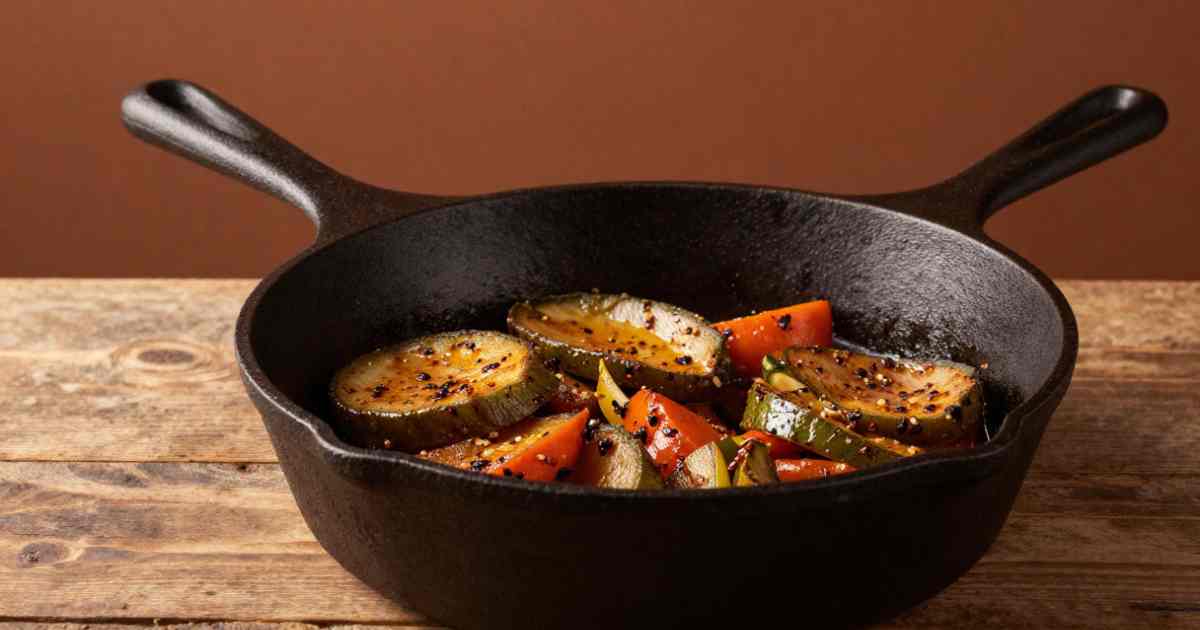
Cast Iron Cookware Basics
Cast iron cookware is a classic choice for many kitchens. It has been used for hundreds of years.
Its durability and heat retention make it special. Understanding the basics helps you use it well. This section covers the material, types, and care tips.
Material And Construction
Cast iron cookware is made from molten iron poured into molds. This process creates a heavy and solid piece.
The iron is very dense, which helps hold heat evenly. It can withstand very high temperatures without damage. Many pieces have a rough surface, perfect for seasoning.
Types Of Cast Iron Cookware
There are many types to choose from. Skillets and frying pans are the most common. Dutch ovens are deep pots for stews and soups.
Griddles provide a flat cooking surface. Each type suits different cooking needs and methods.
Seasoning And Maintenance
Seasoning is a thin layer of oil baked into the surface. It stops food from sticking and prevents rust.
To season, coat the pan with oil and heat it in the oven. Cleaning should be gentle, avoiding soap or soaking.
Dry the pan well and apply a light oil coat after use.
Benefits Of Cast Iron
Cast iron cookware offers many benefits that make it a favorite in kitchens worldwide. Its unique qualities improve cooking results and add value to everyday meals. Below are key advantages of using cast iron pans and pots.
Durability And Longevity
Cast iron is extremely strong and lasts for decades. It can handle high heat and rough use without damage.
Many families pass down cast iron from one generation to the next. This cookware resists warping, cracking, and scratching, making it a reliable kitchen tool.
Heat Retention And Distribution
Cast iron holds heat very well, keeping food warm longer. It also spreads heat evenly across the cooking surface.
This means fewer hot spots and better cooking control. Steaks, breads, and stews cook more evenly and taste better.
Versatility In Cooking
Cast iron works on stovetops, ovens, grills, and even campfires. It can fry, bake, sear, and roast with great results.
Many recipes, from pancakes to casseroles, benefit from cast iron’s performance. One pan can replace many others in the kitchen.
Health Advantages
Cooking in cast iron can add iron to your diet. This is helpful for people with low iron levels. Cast iron is free from harmful chemicals found in some nonstick pans.
It also requires less oil for cooking, supporting healthier meals.
Common Uses In Cooking
Cast iron cookware is a kitchen favorite for many reasons. Its ability to hold and spread heat evenly makes it perfect for various cooking tasks.
This cookware works well on different heat sources, including stovetops and ovens. Let’s explore the common uses of cast iron cookware in everyday cooking. Why Weight Retention Happens After Pregnancy
Searing And Frying
Cast iron pans get very hot and keep that heat steady. This quality helps to sear meat and vegetables perfectly.
Searing locks in juices and creates a tasty crust. Frying foods like eggs or bacon also benefits from the pan’s even heat.
Baking And Roasting
Cast iron works well in the oven for baking bread or roasting vegetables. It holds heat for a long time, which helps cook food evenly.
You can bake pies, casseroles, or even desserts. The pan’s weight helps distribute heat gently and uniformly. How Nutrition Supports Postpartum Recovery
Slow Cooking And Simmering
Cast iron pots are ideal for slow cooking stews, soups, and chili. The thick material maintains a low, steady heat over time. This allows flavors to develop deeply. Simmering sauces in cast iron prevents burning and keeps the taste rich. What Happens To Hormones During Perimenopause
Outdoor Cooking
Cast iron is tough and durable, perfect for outdoor cooking. Use it on campfires or grills without worry.
It can handle high heat and rough surfaces. Cooking outdoors with cast iron adds a smoky flavor to your meals.
Choosing The Right Cast Iron
Choosing the right cast iron cookware can improve your cooking experience. It depends on your needs and kitchen space.
Different types of cast iron suit different dishes and cooking styles. Understanding options helps pick the best one for you.
Size And Shape Options
Cast iron pans come in many sizes and shapes. Skillets range from small 6-inch to large 15-inch pans. How Menopause Changes Metabolism
Small pans are good for eggs or sauces. Large pans work well for stews and frying. Other shapes include griddles, Dutch ovens, and grill pans.
Choose size and shape based on the food you cook most.
Enamel Vs. Traditional Cast Iron
Traditional cast iron needs seasoning to stay non-stick. It can last for decades with care. Enamel cast iron has a smooth, colorful coating.
It does not require seasoning and is easier to clean. Enamel is less reactive with acidic foods. Traditional cast iron can handle higher heat.
Both types have pros, so pick based on your cooking and cleaning preference.
Budget Considerations
Cast iron prices vary widely. Simple skillets cost less than specialty pieces. Enamel cast iron usually costs more than traditional.
Think about how often you will use it. Investing a bit more can mean better durability. Basic cast iron offers great value for most cooks. Set a budget that fits your kitchen goals.
Care Tips For Longevity
Cast iron cookware lasts for many years with proper care. Keeping it clean, seasoned, and stored right helps maintain its quality.
Simple steps protect your pan from rust and damage. Follow these tips to enjoy cooking with cast iron for a long time.
Cleaning Techniques
Clean your cast iron after every use. Use warm water and a soft brush or sponge. Avoid soap or harsh detergents that remove seasoning.
For stuck food, scrub with coarse salt and a little water. Dry the pan immediately to stop rust.
Re-seasoning Process
Seasoning keeps the surface non-stick and protects the pan. After cleaning, dry the pan well. Apply a thin layer of cooking oil all over the surface.
Heat the pan in the oven at 350°F (175°C) for one hour. Let it cool inside the oven before storing.
Storage Advice
Store cast iron in a dry place. Avoid stacking other cookware inside it. Place a paper towel inside the pan to absorb moisture.
Check the pan regularly and re-season if it looks dull or rusty. Proper storage stops damage and keeps your pan ready to use.
Frequently Asked Questions of What Is Cast Iron Cookware? Ultimate Guide to Benefits & Uses
What Is Cast Iron Cookware Made Of?
Cast iron cookware is made from a mix of iron and carbon. This mix makes it very strong and durable for cooking.
Why Choose Cast Iron Over Other Cookware?
Cast iron holds heat well and cooks food evenly. It lasts a long time and can be used on many heat sources.
How Do You Care For Cast Iron Cookware?
Clean cast iron with warm water and a soft brush. Dry it fully and apply a thin layer of oil to prevent rust.
Can Cast Iron Cookware Improve Cooking Flavor?
Yes, cast iron can enhance flavor by adding a slight smoky taste. It also helps brown food better for richer taste.
Conclusion
Cast iron cookware offers durability and excellent heat retention. It cooks food evenly and can last many years.
With proper care, it becomes non-stick naturally. This type of cookware works well on various heat sources. It adds a unique flavor to your meals.
Easy to clean and maintain, it suits everyday cooking. Cast iron is a smart choice for those who love simple, reliable kitchen tools.
Try it and enjoy cooking with a classic, trusted material.


