How to Prevent Food from Sticking: Expert Tips for Perfect Cooking
- Choose The Right Cookware
- Proper Heating Techniques
- Effective Use Of Oils And Fats
- Preparing Food To Reduce Sticking
- Cooking Techniques To Prevent Sticking
- Cleaning And Maintaining Cookware
- Common Mistakes To Avoid
- Frequently Asked Questions of How to Prevent Food from Sticking: Expert Tips for Perfect Cooking
- Conclusion
Have you ever spent time cooking a meal, only to find it stuck stubbornly to your pan? It’s frustrating, wastes food, and makes cleaning a nightmare.
But what if you could stop food from sticking every time you cook? You’ll discover simple, effective tricks that will change how you cook forever.
Whether you’re a beginner or a seasoned chef, these tips will save you time, effort, and keep your meals perfect.
Keep reading to unlock the secrets to cooking without sticking!
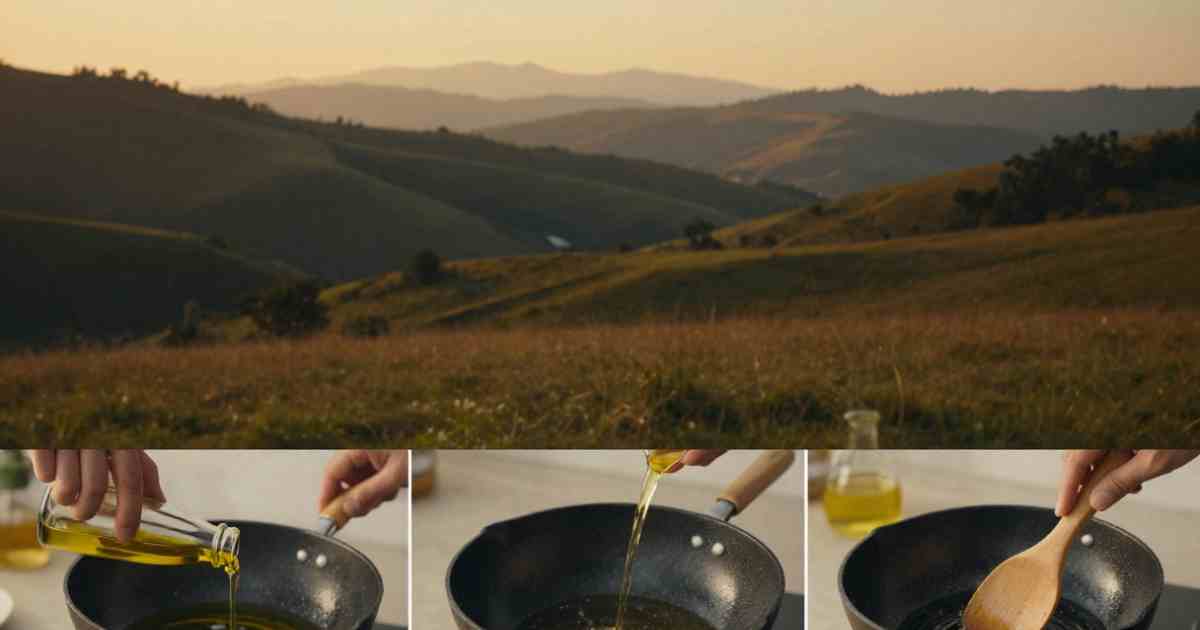
Choose The Right Cookware
Choosing the right cookware helps prevent food from sticking. Some materials work better than others.
Picking the right pan can save time and reduce frustration in the kitchen. It also helps keep food looking and tasting great.
Nonstick Pans
Nonstick pans have a smooth coating that stops food from sticking. They are perfect for cooking eggs, pancakes, and delicate fish.
Use low to medium heat to protect the coating. Avoid using metal utensils to keep the surface smooth. These pans clean easily and reduce the need for extra oil.
Seasoned Cast Iron
Cast iron pans become naturally nonstick after seasoning. Seasoning means baking oil into the pan’s surface.
This creates a protective layer that stops food from sticking. Cast iron heats evenly and keeps heat for a long time.
It is great for frying, searing, and baking. Clean it carefully and keep it dry to avoid rust.
Stainless Steel Tips
Stainless steel pans can stick if not used properly. Heat the pan well before adding oil or food.
Test the heat by sprinkling a few drops of water; they should dance and evaporate quickly. Use enough oil to coat the cooking surface.
Let the food cook undisturbed until it naturally releases from the pan. This method helps prevent sticking and creates a nice crust.
Proper Heating Techniques
Proper heating techniques are key to stopping food from sticking. The right heat makes cooking easier and keeps your food whole and tasty. Heat affects how food touches the pan and how it cooks. Understanding how to heat your pan can change your cooking results.
Preheating The Pan
Always preheat your pan before adding food. A hot pan helps create a natural barrier. This barrier stops food from sticking.
Give the pan a few minutes to warm up evenly. You can test it by sprinkling a few drops of water. If the drops dance, the pan is ready.
Adjusting Heat Levels
Keep heat at the right level for each food type. Too high heat can burn food and make it stick.
Too low heat makes food cook unevenly and stick more. Start with medium heat and adjust as needed.
Watch your food and change the heat to avoid sticking.
Avoiding Overcrowding
Leave space between pieces of food in the pan. Overcrowding lowers the pan’s temperature quickly.
This causes food to release moisture and stick. Cook in small batches for best results. Give each piece room to cook and brown nicely.
Effective Use Of Oils And Fats
Oils and fats play a key role in stopping food from sticking to pans. Using them right helps cook food evenly and keeps it from burning.
Knowing how to choose and use oils can improve your cooking results.
Selecting Suitable Oils
Pick oils with a high smoke point for frying or sautéing. Oils like canola, vegetable, or peanut oil work well.
Olive oil is good for medium heat but burns fast at high heat. Butter adds flavor but can burn easily. Choose based on the cooking method and temperature.
Correct Oil Amount
Use just enough oil to coat the pan’s surface lightly. Too little oil lets food stick. Too much oil makes food greasy. A thin, even layer helps food cook without sticking or soaking up fat.
When To Add Oil
Heat the pan before adding oil. Pour oil into a hot pan and let it warm. This creates a smooth, non-stick surface. Adding oil too early or to a cold pan can cause sticking. Wait until the oil shimmers before adding food.
Preparing Food To Reduce Sticking
Preparing food properly helps stop it from sticking to pans. Simple steps before cooking can make a big difference.
These steps help create a barrier between food and the cooking surface. This reduces sticking and makes cooking easier.
Patting Ingredients Dry
Wet food sticks more during cooking. Use a paper towel to dry meat, fish, or vegetables. Removing moisture helps food brown better. It also prevents steam, which causes sticking.
Room Temperature Foods
Cold food can stick more to hot pans. Take food out of the fridge 15 to 20 minutes before cooking. Letting it reach room temperature helps cook food evenly. It also stops sudden temperature drops that cause sticking.
Using Flour Or Coatings
Light coatings help reduce sticking. Dust meat or vegetables with flour, cornmeal, or breadcrumbs. These coatings create a dry surface. This protects food and stops it from sticking to the pan.
Cooking Techniques To Prevent Sticking
Stopping food from sticking to pans can make cooking easier and cleaning faster. Good cooking methods help food cook well and keep its shape.
These simple tips help you cook without food sticking.
Letting Food Develop A Crust
Allow food to cook without moving it right away. This helps a crust form on the surface. The crust acts as a natural barrier, stopping food from sticking. Patience is key. Wait for the food to release easily before flipping or stirring.
Avoiding Early Flipping
Flip food only once it lifts easily from the pan. Early flipping can tear food and cause sticking. Let the heat do its job. This keeps food intact and cooks evenly. Avoid poking or pressing down on food while cooking.
Using Proper Utensils
Choose the right tools for cooking and flipping food. Silicone, wood, or plastic utensils work best with nonstick pans.
Metal tools can scratch and damage the surface. Clean utensils also help prevent sticking and keep food safe.
Cleaning And Maintaining Cookware
Cleaning and maintaining cookware is key to stop food from sticking. Proper care keeps your pans smooth and cooking easy. It also helps your pots last longer. Follow simple steps for each type of cookware.
Cleaning Tips For Nonstick Surfaces
Use soft sponges or cloths to clean nonstick pans. Avoid metal scrubbers that can scratch the surface.
Wash with warm water and mild soap. Dry completely before storing. Do not use dishwasher often; it may damage the coating.
Regular gentle cleaning keeps nonstick pans smooth and effective.
Re-seasoning Cast Iron
Cast iron needs seasoning to stay nonstick. After washing, dry the pan well. Rub a thin layer of cooking oil over the surface.
Heat it in the oven at 350°F for an hour. Let it cool inside the oven. This process fills tiny holes and creates a smooth layer to prevent sticking.
Avoiding Damage
Do not use metal utensils on nonstick or cast iron pans. Use wooden, silicone, or plastic tools instead.
Avoid sudden temperature changes that can warp pans. Do not leave pans empty on hot burners.
Store pans carefully to prevent scratches or dents. Proper use and care keep cookware in good shape.
Common Mistakes To Avoid
Preventing food from sticking starts with avoiding common cooking mistakes. These errors cause frustration and ruin meals. Understanding what not to do helps keep food perfect and pans clean.
Using Too Little Fat
Fat creates a barrier between food and the pan. Without enough oil or butter, food sticks easily. Always add enough fat before cooking. This helps food release smoothly and cooks evenly.
Cooking On Too High Heat
High heat can burn food quickly, causing it to stick. It also damages the pan’s surface. Use medium or low heat for better control. This keeps food tender and prevents sticking.
Ignoring Pan Condition
Old or damaged pans cause sticking problems. Scratches and worn coatings reduce non-stick ability. Clean pans well and replace them if needed. A good pan makes cooking easier and more enjoyable.
Frequently Asked Questions of How to Prevent Food from Sticking: Expert Tips for Perfect Cooking
Why Does Food Stick To Pans While Cooking?
Food sticks when the pan’s surface is uneven or not hot enough. Oil helps create a barrier between food and pan. Using a non-stick pan also reduces sticking.
How Can I Stop Eggs From Sticking To The Pan?
Use a non-stick pan or add enough oil or butter before heating. Cook eggs on medium-low heat for best results. Avoid moving eggs too soon while cooking.
What Oils Work Best To Prevent Food From Sticking?
Oils with high smoke points like canola, vegetable, or sunflower oil work well. They handle heat better and create a good non-stick layer. Avoid using butter alone at high heat.
Does Preheating The Pan Prevent Food From Sticking?
Yes, preheating ensures the pan is hot enough to cook food evenly. A hot pan helps seal food’s surface quickly. This reduces chances of sticking and tearing.
Conclusion
Preventing food from sticking is easier than it seems. Use proper heat and enough oil for cooking.
Choose the right pan for each recipe. Keep your pan clean and dry before cooking. Stir food gently and avoid overcrowding the pan.
Small changes make cooking more enjoyable and less messy. These simple tips help you cook better every time.
Enjoy your meals without the hassle of stuck food.


