How to Care for Ceramic Cookware: Essential Tips for Longevity
- Choosing The Right Ceramic Cookware
- Initial Cleaning And Seasoning
- Daily Cleaning Practices
- Cooking Tips To Prevent Damage
- Storage And Handling Advice
- Dealing With Stubborn Stains And Residue
- Signs Your Cookware Needs Replacement
- Frequently Asked Questions of How to Care for Ceramic Cookware: Essential Tips for Longevity
- Conclusion
If you’ve invested in ceramic cookware, you want to make sure it lasts and performs at its best. But do you know the simple steps that can keep your pots and pans looking new and cooking perfectly?
Taking care of ceramic cookware isn’t complicated, but a few key habits can save you from common mistakes that wear them down fast.
You’ll discover easy tips that protect your investment, improve your cooking experience, and help you enjoy every meal you make.
Keep reading to unlock the secrets of caring for your ceramic cookware like a pro.
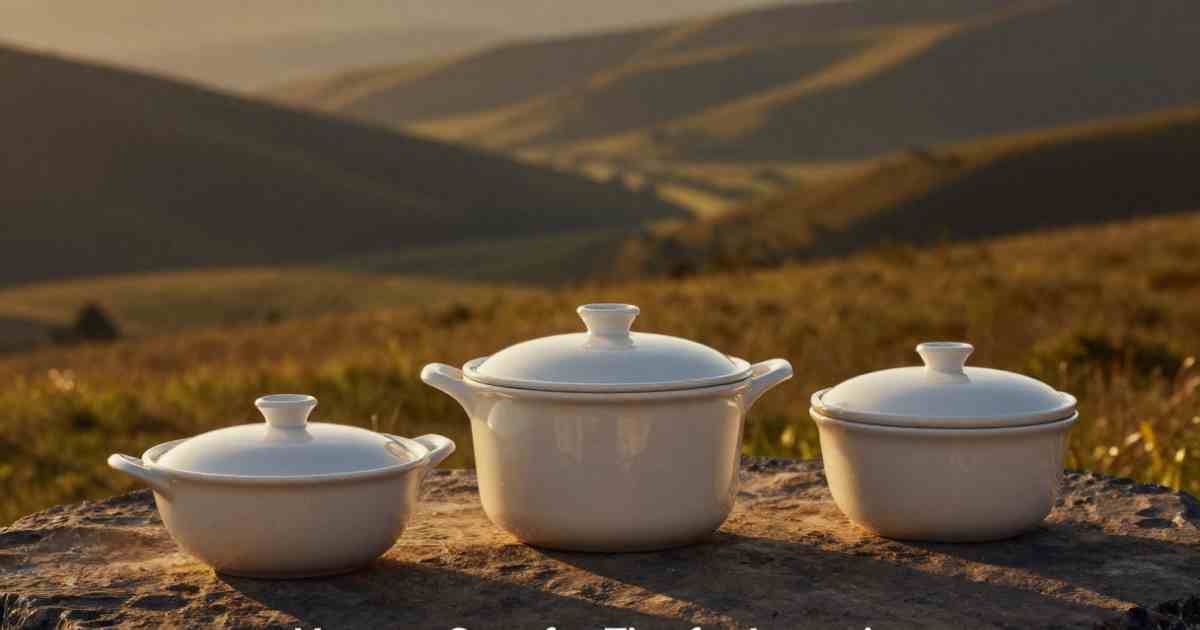
Choosing The Right Ceramic Cookware
Choosing the right ceramic cookware can make cooking easier and healthier. The market offers many options, but not all ceramic cookware is the same.
Knowing the types and quality signs helps you pick the best set for your kitchen. This saves money and ensures safe, effective cooking.
Types Of Ceramic Cookware
Ceramic cookware comes in two main types: fully ceramic and ceramic-coated. Fully ceramic pots and pans are made entirely from ceramic material.
They heat evenly and do not react with food. Ceramic-coated cookware has a metal base covered with a ceramic layer.
This layer offers a non-stick surface and protects the metal underneath. Both types work well, but fully ceramic items may be more fragile.
Quality Indicators To Look For
Good ceramic cookware should feel heavy and sturdy. Check the coating for smoothness and even color.
Avoid pieces with cracks or chips. Look for labels stating the cookware is free from harmful chemicals like PFOA and PTFE.
The base should fit your stove type, such as induction or gas. Also, ensure the handles are solid and stay cool during cooking.
Initial Cleaning And Seasoning
Caring for ceramic cookware starts with proper initial cleaning and seasoning. This step helps remove any factory residues and prepares the surface for cooking.
Good care at the beginning makes the cookware last longer and perform better.
Preparing New Cookware For Use
First, wash the ceramic cookware with warm water and mild soap. Use a soft sponge to avoid scratches.
Rinse thoroughly to remove all soap. Dry the cookware completely with a clean towel. This removes dust and oils from the factory.
Do not use harsh chemicals or scrubbers. They can damage the ceramic coating.
Seasoning Techniques To Enhance Durability
Seasoning ceramic cookware helps build a protective layer. Lightly coat the surface with a small amount of cooking oil.
Use a paper towel to spread the oil evenly. Heat the cookware on low for about 10 minutes. Let it cool completely before wiping off excess oil.
This process improves non-stick properties and prevents sticking. Repeat seasoning once every few uses for best results.
Daily Cleaning Practices
Daily cleaning keeps ceramic cookware in top shape. It removes food residue and prevents stains. Clean your cookware soon after use.
This helps maintain its smooth, non-stick surface. Simple, regular care extends the life of your pots and pans.
Safe Cleaning Tools And Agents
Use soft sponges or cloths for cleaning. Avoid abrasive scrubbers that can scratch the surface. Mild dish soap works best.
It removes grease without damaging the ceramic coating. Warm water helps loosen stuck-on food. Rinse thoroughly to remove all soap.
Avoiding Common Cleaning Mistakes
Do not use harsh chemicals or bleach. These can harm the ceramic finish. Avoid metal utensils or steel wool.
They cause scratches and reduce non-stick quality. Never soak ceramic cookware for too long. Prolonged water exposure weakens the coating.
Dry cookware completely before storing to prevent damage.
Cooking Tips To Prevent Damage
Proper care extends the life of ceramic cookware. Small habits during cooking make a big difference. Avoid damage by following simple tips.
Protect the ceramic coating for long-lasting use.
Optimal Heat Settings
Use low to medium heat for cooking. Ceramic cookware heats evenly but can crack from high heat. Avoid sudden temperature changes to prevent stress.
Turn off heat before removing the pan from the stove. Let cookware cool naturally to avoid warping.
Using Proper Utensils
Choose wooden, silicone, or plastic utensils. Metal tools can scratch the ceramic surface. Scratches reduce non-stick properties and cause food to stick.
Avoid sharp or rough utensils to keep the coating smooth. Handle cookware gently to maintain its finish.
Storage And Handling Advice
Proper storage and handling keep ceramic cookware in great shape. Careful habits prevent damage and extend the life of your pots and pans.
Small actions make a big difference in maintaining their smooth surface and bright colors.
Preventing Scratches And Chips
Use soft cloths or sponges when cleaning ceramic cookware. Avoid metal utensils that can scratch the surface.
Wooden, silicone, or plastic tools work best. Never drag pots or pans across hard surfaces. Lift them carefully to avoid chips and cracks.
Stacking And Storing Safely
Place a soft cloth or paper towel between stacked cookware. This prevents rubbing and scratching during storage.
Store heavier pieces at the bottom and lighter ones on top. Keep ceramic cookware in a dry area to avoid moisture damage. Store lids separately or upside down to save space.
Dealing With Stubborn Stains And Residue
Stubborn stains and residue can make ceramic cookware look dull and worn. These marks often come from burnt food or mineral deposits.
Cleaning them gently protects the cookware’s surface. Proper care helps your pots and pans last longer.
Natural Cleaning Remedies
Baking soda is a gentle scrubber for ceramic cookware. Sprinkle some on the stained area. Add a few drops of water to make a paste.
Rub softly with a sponge or cloth. Let it sit for 10 minutes before rinsing.
White vinegar also works well. Mix equal parts vinegar and water. Soak the cookware in this solution for 15 minutes. Use a soft brush to remove leftover stains.
Rinse with warm water to finish.
Lemon juice can brighten dull spots. Apply lemon juice directly to the stain. Let it sit for 5 minutes. Wipe with a clean cloth and rinse thoroughly. This method is safe and natural.
When To Use Specialized Cleaners
Use specialized ceramic cookware cleaners for tough stains. These cleaners are designed to protect the coating.
Follow the instructions on the product label carefully. Avoid harsh abrasives that can scratch the surface.
Choose cleaners labeled safe for ceramic surfaces. Test on a small area before full use. Use only as needed to keep your cookware in good shape. Proper use extends the life of your ceramic pots and pans.
Signs Your Cookware Needs Replacement
Ceramic cookware looks great and cooks well. But over time, it can wear out. Knowing when to replace your ceramic pots and pans keeps your food safe and tasty. Watch for clear signs that your cookware is no longer reliable.
Old or damaged ceramic cookware can crack or chip easily. These problems affect cooking quality and safety. Spotting these issues early saves you from bigger problems later.
Identifying Wear And Tear
Check your ceramic cookware for cracks or chips on the surface. Small cracks can grow and cause the ceramic to break.
Look for scratches or worn spots where the coating is thin or missing. These areas can make food stick and cook unevenly.
Stains that won’t come off may also show the ceramic is wearing out.
Notice if the cookware heats unevenly or if food burns quickly. These signs mean the ceramic layer is damaged.
Handle your ceramic pans carefully to avoid drops or knocks. Rough use speeds up wear and tear.
When To Retire Ceramic Pieces
Replace ceramic cookware if cracks or chips appear. These flaws can release harmful particles into your food.
If the non-stick surface peels or flakes, it is time to stop using that piece. Warped or misshaped pans do not cook well and should be replaced.
Cookware older than a few years may lose its effectiveness. Even if it looks okay, consider replacement to keep cooking safe. Trust your senses—if the pan smells strange or changes color, it is better to retire it.
Frequently Asked Questions of How to Care for Ceramic Cookware: Essential Tips for Longevity
How Do I Clean Ceramic Cookware Without Damage?
Use warm soapy water and a soft sponge to clean ceramic cookware. Avoid abrasive cleaners or steel wool to prevent scratches. Dry it completely before storing.
Can Ceramic Cookware Be Used On High Heat?
Ceramic cookware works best on low to medium heat. High heat can cause the ceramic coating to crack or wear out faster. Always follow the manufacturer’s heat guidelines.
What Should I Avoid When Caring For Ceramic Cookware?
Avoid sudden temperature changes, like putting hot pans in cold water. Do not use metal utensils, as they can scratch the surface. Keep cookware away from harsh chemicals.
How Can I Remove Stains From Ceramic Cookware?
Make a paste of baking soda and water to gently scrub stains. Let it sit for a few minutes before rinsing. Repeat if needed but avoid harsh scrubbing.
Conclusion
Caring for ceramic cookware keeps it lasting long and looking good. Use gentle cleaning tools to avoid scratches.
Always avoid sudden temperature changes to prevent cracks. Store your cookware carefully to save space and avoid damage.
Regular care helps maintain non-stick surfaces and cooking quality.
Small habits protect your investment and improve your cooking experience. Enjoy healthy meals with cookware that stays in great shape.
Simple steps make a big difference in ceramic cookware care. Keep these tips in mind to enjoy your cookware daily.


