How Long Does Cast Iron Last? Ultimate Guide to Durability
Have you ever wondered how long your cast iron cookware can truly last? If you’re like many who treasure that heavy, durable pan in the kitchen, you probably want to know if it’s something that will serve you for years—or even decades.
Understanding the lifespan of cast iron can help you care for it better and make smarter choices when buying or maintaining your cookware.
Keep reading, and you’ll discover the surprising truth about cast iron’s durability and how to keep your pans in top shape for a lifetime.
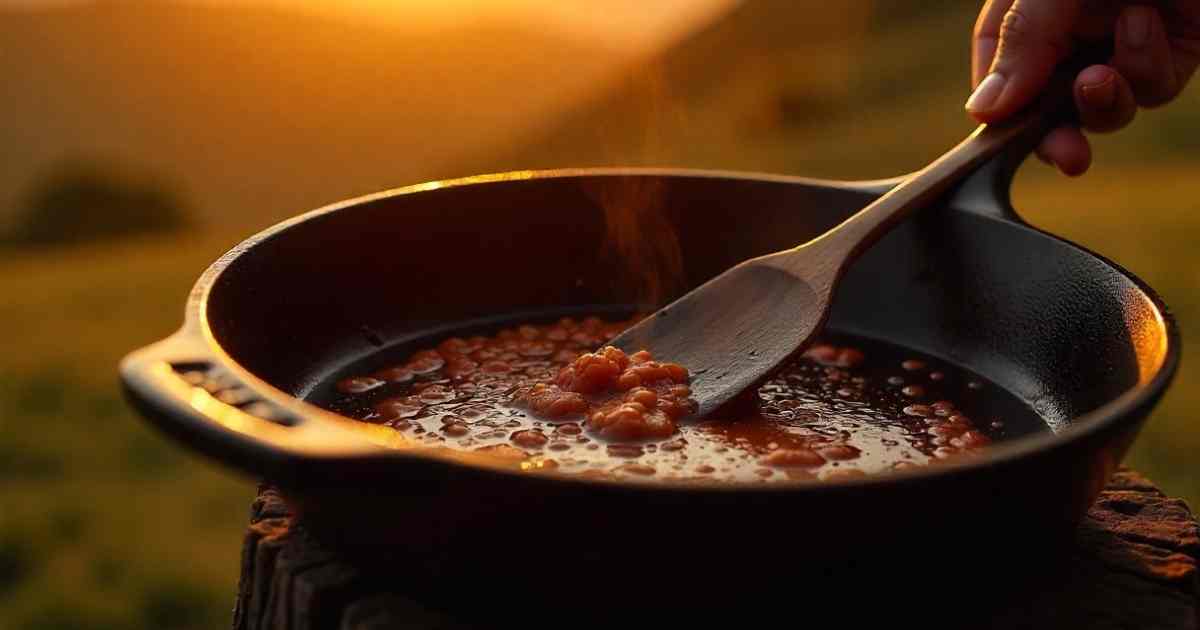
Cast Iron Longevity Factors
Cast iron can last for many years. Several factors affect how long it stays in good shape. Understanding these helps you care for your cast iron better.
Here are the main factors that impact cast iron longevity.
Material Quality
High-quality cast iron lasts longer. Good material resists cracks and rust. Poor quality iron can break or wear out fast.
Look for thick, solid cast iron for durability. Thicker pans hold heat well and avoid warping.
Manufacturing Process
The way cast iron is made matters a lot. Proper casting and finishing prevent weak spots. Skilled manufacturing creates a smooth surface that resists rust.
Some pans get extra seasoning during production. This protects the pan and extends its life.
Usage Frequency
How often you use cast iron affects its lifespan. Regular use keeps the seasoning strong. Cast iron that sits unused may rust faster.
Frequent cooking helps maintain the pan’s non-stick surface. Careful cleaning after use also prevents damage.
Maintenance Impact
Maintenance plays a big role in how long cast iron lasts. Proper care keeps it strong and useful for many years.
Neglect can cause damage and shorten its life. Simple habits make a big difference in its durability.
Seasoning And Care
Seasoning forms a protective layer on cast iron. This layer stops rust and keeps food from sticking.
To season, apply a thin oil coat and heat the pan. Repeat often for best results. Regular care means drying cast iron right after washing. Store it in a dry place to keep the seasoning safe.
Cleaning Techniques
Cleaning cast iron needs gentle methods. Avoid soap or harsh scrubbers that strip seasoning.
Use warm water and a soft brush. For stuck food, scrub with coarse salt and a sponge. Always dry the pan fully after washing.
Proper cleaning preserves the seasoning and the pan’s surface.
Rust Prevention
Rust is the biggest threat to cast iron. Keep the pan dry to stop rust from forming. Apply oil after each use to protect the metal.
If rust appears, scrub it off and reseason the pan. Good rust prevention extends the pan’s life and keeps it safe for cooking.
Common Wear And Damage
Cast iron is strong and lasts a long time. Still, it can wear down or get damaged from use. Knowing common wear and damage helps you care for it.
This keeps your cast iron in good shape for many years.
Cracks And Chips
Cracks can form from dropping or hitting cast iron. Small chips may appear around the edges.
These weaken the pan and can grow bigger. Avoid sharp impacts to protect your cast iron.
Warping Issues
Warping happens when cast iron heats or cools too fast. It makes the pan uneven or bent. Warped pans do not sit flat on the stove.
Use gradual heat changes to prevent warping damage.
Corrosion Effects
Rust is a common problem for cast iron. Water left on the surface causes rust to form. Corrosion damages the pan’s cooking surface. Dry your pan fully and season it to stop rust.
Comparing Cast Iron Types
Cast iron comes in many types, each with unique uses and lifespans. Understanding these types helps you choose the right one.
Different cast iron products last different amounts of time. This section compares common types to help you understand their durability and care needs.
Cookware Vs. Pipes
Cookware cast iron is made for cooking and food safety. It lasts for decades with proper care.
Pipes and other industrial cast iron have different durability needs. They resist pressure and weather but can rust if not maintained.
Cookware needs seasoning to protect it. Pipes rely on coatings or paint to prevent rust.
Enamel Coated Vs. Bare Cast Iron
Enamel coated cast iron has a smooth, colorful finish. It resists rust and is easy to clean. The enamel can chip if dropped but protects the iron underneath.
Bare cast iron needs seasoning to keep it rust-free. It can last a lifetime but requires more care.
Both types are strong, but enamel offers easier maintenance.
Vintage Vs. Modern Cast Iron
Vintage cast iron was made with thicker walls and heavy-duty designs. It often lasts longer due to its build quality.
Modern cast iron is lighter and more refined. It heats evenly but may be thinner. Both can last decades, but vintage pieces often require less seasoning.
Newer cookware may have better non-stick surfaces.
Signs It’s Time To Replace
Cast iron cookware is known for its durability and long life. Still, it doesn’t last forever. Knowing the signs that it’s time to replace your cast iron can save you trouble.
Watch for changes in how it works, safety issues, and its look. These signs tell you when your cast iron has served its time well.
Performance Decline
Cast iron should heat evenly and hold heat well. If your pan heats unevenly, causing food to cook poorly, it may be worn out.
Sticking food more often is another sign. The seasoning layer can wear off, making cooking harder and cleaning tougher.
When your cast iron loses its cooking quality, it’s time to consider a new one.
Safety Concerns
Cracks or deep rust spots weaken cast iron. These flaws can cause the pan to break during use. Rust can also affect your food and health.
If rust covers a large area or you see cracks, stop using the pan. Safety should always come first.
Replace cast iron that shows these problems to avoid accidents.
Aesthetic Wear
Scratches, chips, or a rough surface make cast iron less pleasant to use. While these don’t always affect cooking, they can mean the pan is aging.
Heavy discoloration or flaking seasoning shows it needs care or replacement. A worn-out look often means the pan won’t perform well for long.
Keep an eye on its appearance to judge when to replace it.
Extending Cast Iron Life
Cast iron cookware can last for many years with proper care. Extending the life of your cast iron takes a few simple steps.
These steps help keep the pan in good shape and maintain its cooking performance.
Proper Storage Tips
Store cast iron in a dry place. Moisture can cause rust quickly. Avoid stacking heavy pots on top of each other.
Use paper towels or cloth between pans to protect the seasoning. Keep the lid off or slightly open to allow air flow. This stops moisture build-up inside the pan.
Routine Inspection
Check your cast iron regularly for rust or damage. Look for cracks, chips, or rough spots on the surface.
Early detection helps prevent bigger problems. Clean the pan after every use. Dry it fully before storing. These habits keep your cast iron ready for cooking.
Restoration Methods
Rust can be removed with steel wool or a scrub brush. After cleaning, re-season the pan with oil.
Heat it in the oven to build a protective layer. For damaged seasoning, strip the pan and start fresh. Regular restoration keeps your cast iron smooth and non-stick.
Frequently Asked Questions of How Long Does Cast Iron Last? Ultimate Guide to Durability
How Long Does Cast Iron Cookware Last?
Cast iron cookware can last for decades or even generations. With proper care, it remains strong and usable for a very long time.
Does Rust Ruin Cast Iron Permanently?
Rust can damage cast iron, but it is fixable. Cleaning and re-seasoning can restore its cooking surface effectively.
How To Maintain Cast Iron For Longer Life?
Season cast iron regularly and avoid soaking in water. Dry it well after washing to prevent rust and damage.
Can Cast Iron Last A Lifetime With Proper Use?
Yes, cast iron can last a lifetime if cared for right. Regular seasoning and careful cleaning keep it in good shape.
Conclusion
Cast iron can last a lifetime with proper care. Regular seasoning keeps it non-stick and rust-free.
Avoid soaking it in water for long periods. Use gentle cleaning methods to protect its surface.
Many families pass down cast iron pans for generations.
This durability makes cast iron a smart kitchen choice. Treat it well, and it serves you for decades.
A little effort goes a long way in maintaining quality. Enjoy cooking with cast iron, knowing it stands the test of time.


