Common Nonstick Cooking Mistakes: Avoid These Costly Errors Now
Are you tired of your nonstick pans losing their magic? You might be making simple mistakes that damage their coating without even realizing it.
These common errors can turn your cooking experience from easy and enjoyable to frustrating and messy.
But don’t worry—once you know what to avoid, you can protect your pans and make every meal a success.
Keep reading to discover the top nonstick cooking mistakes and how to fix them, so your cookware lasts longer and your food always comes out perfect.
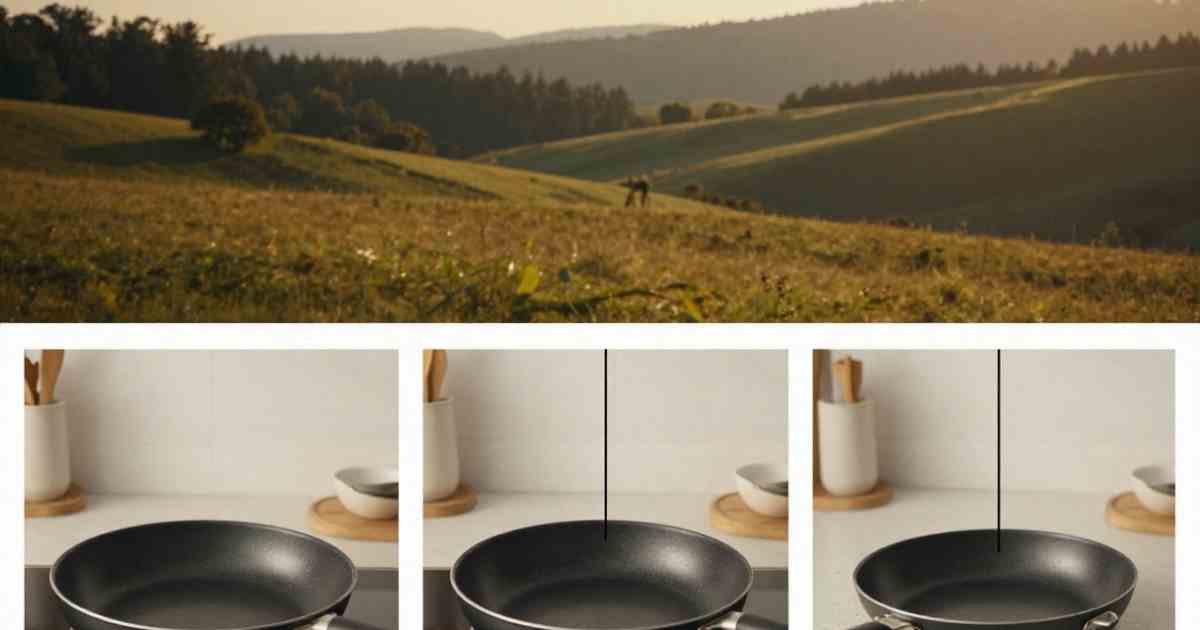
Choosing The Wrong Pan
Choosing the wrong nonstick pan can ruin your cooking experience. The right pan lasts longer and cooks better.
Poor choices lead to scratches, peeling, and uneven heat. Understanding what makes a good nonstick pan helps avoid these problems.
It saves money and keeps your food safe.
Cheap Materials And Their Risks
Cheap nonstick pans often use low-quality materials. These pans heat unevenly and wear out fast.
The coating may peel off during cooking. Peeling can mix harmful particles with your food. Thin metal pans can warp easily.
Warped pans do not cook food evenly. Using cheap pans means you replace them often. This wastes money and harms the environment.
Identifying Quality Nonstick Surfaces
Good nonstick pans use durable coatings like ceramic or PTFE. These coatings resist scratches and last longer.
Look for brands with clear safety standards. A thick base helps spread heat evenly. Some pans have reinforced layers for extra strength.
Quality pans feel heavier and more solid. They clean easily without scrubbing hard. Investing in quality means safer cooking and better results.
Overheating Nonstick Pans
Nonstick pans make cooking easier and cleaning faster. But overheating them is a common mistake.
High heat can damage the nonstick surface quickly. This reduces the pan’s life and harms your food quality.
Understanding how heat affects these pans helps keep them safe and effective.
Effects Of Excessive Heat
Excessive heat breaks down the nonstick coating. It can cause the coating to peel or flake off.
This not only damages the pan but may release harmful fumes. These fumes can irritate your eyes and throat.
The pan may also lose its smooth surface, making food stick more. Overheated pans often warp, affecting even cooking.
Safe Temperature Ranges
Most nonstick pans work best below 500°F (260°C). Cooking at medium or low heat keeps the coating intact.
Avoid heating an empty pan for long periods. Use a thermometer or keep the stove on medium heat.
This prevents damage and keeps your food safe. Following these simple steps extends your pan’s life.
Using Metal Utensils
Using metal utensils on nonstick pans is a common mistake. Many people do it without knowing the risks.
Metal tools can harm the nonstick surface quickly. This damage lowers the pan’s lifespan and cooking quality.
Damage Caused By Sharp Tools
Metal utensils can scratch the nonstick coating. Sharp edges cut into the surface and create grooves.
These grooves cause food to stick and burn. The coating may peel off, mixing with food. This makes cooking unsafe and less enjoyable. Scratches also make cleaning the pan harder.
Best Utensil Choices
Choose utensils made of wood, silicone, or plastic. These materials are soft and gentle on the pan.
They protect the nonstick layer from damage. Wooden spoons and silicone spatulas work well.
They last long and keep your pan safe. Using the right tools helps your pan stay nonstick longer.
Improper Cleaning Techniques
Cleaning nonstick pans the wrong way can damage their surface fast. Scratches and peeling happen from harsh cleaning.
This lowers the pan’s nonstick power. Proper care keeps your pans working longer.
Avoiding Abrasive Scrubbing
Never use steel wool or rough scrubbers. These scratch the delicate coating. Scratches make food stick and ruin the pan.
Use soft sponges or cloths instead. Gentle scrubbing removes food without harm.
Safe Cleaning Materials
Choose mild dish soap for washing. Harsh chemicals break down the coating. Warm water helps loosen stuck food gently.
Avoid bleach or strong detergents. Let the pan soak if food is stuck. This softens residue for easy cleaning.
Neglecting Regular Maintenance
Neglecting regular maintenance is a common mistake that shortens the life of nonstick pans.
People often buy these pans for easy cooking and cleaning. Yet, they forget that these pans need care to keep their coating intact.
Without proper upkeep, the nonstick surface can wear off quickly. This leads to food sticking and uneven cooking.
Simple habits can help maintain your pan’s performance and safety.
Seasoning Nonstick Pans
Seasoning helps protect the nonstick surface and improve its durability. Start by washing the pan with warm water and mild soap.
Dry it thoroughly before use. Apply a thin layer of cooking oil to the surface. Heat the pan on low for a few minutes, then let it cool.
Wipe off any extra oil with a paper towel. Repeat this process every few weeks to keep the coating smooth and effective.
Storage Tips To Preserve Coating
Improper storage can cause scratches and damage the nonstick coating. Avoid stacking pans directly on top of each other.
Use a soft cloth or paper towel between pans to protect the surface. Store pans in a dry place to prevent rust on metal parts.
Handle your nonstick pans gently to keep the coating safe and long-lasting.
Cooking Without Enough Oil
Cooking without enough oil in a nonstick pan is a common mistake. Many think nonstick means no oil is needed.
This is not true. A small amount of oil helps food cook better and keeps the pan safe. Using too little oil can cause food to stick and burn.
Impact On Food And Pan
Without enough oil, food may stick to the pan’s surface. This ruins the texture and taste. Stuck food is hard to flip or remove.
It may break apart, leaving a mess. Over time, the pan’s coating can wear out faster. The heat concentrates on certain spots, causing damage.
Optimal Oil Usage
Use a thin layer of oil to cover the pan’s surface. This keeps food from sticking and browns it nicely.
Use oils with a high smoke point, like vegetable or canola oil. Avoid using too much oil; just enough to coat the pan is best. Use a brush or spray for even spread.
Ignoring Manufacturer Instructions
Many people skip the manufacturer’s instructions for nonstick cookware. This mistake can shorten the life of your pan.
It can also cause safety risks and poor cooking results. Understanding and following the guidelines helps keep your cookware safe and working well.
Following Care Guidelines
Each nonstick pan has specific care rules. These include cleaning methods, heat limits, and utensil types.
Using metal tools or harsh scrubbers can damage the surface. Washing by hand may be recommended instead of a dishwasher.
Following these rules helps maintain the nonstick coating longer.
Warranty And Safety Info
Ignoring instructions can void your warranty. The manufacturer may refuse repairs or replacements.
Some pans have safety warnings about overheating or using certain stovetops. Not following these warnings can cause toxic fumes or damage.
Reading and following this info keeps you safe and protects your investment.
Frequently Asked Questions of Common Nonstick Cooking Mistakes: Avoid These Costly Errors Now
Why Should I Avoid Using Metal Utensils On Nonstick Pans?
Metal utensils can scratch the nonstick coating. Scratches reduce the pan’s effectiveness and lifespan. Use wooden or silicone tools instead.
Can Cooking On High Heat Damage Nonstick Cookware?
High heat can break down the nonstick surface. It may release harmful fumes and cause warping. Use low to medium heat for best results.
How Does Cleaning Affect Nonstick Pan Durability?
Harsh scrubbing or abrasive cleaners can damage the coating. Wash gently with a soft sponge and mild soap. This helps keep the surface smooth and nonstick.
Is It Necessary To Use Oil Or Butter In Nonstick Pans?
Nonstick pans usually need less oil than regular pans. A small amount can improve flavor and prevent sticking. Avoid using sprays that can build up residue.
Conclusion
Nonstick pans need gentle care to last long. Avoid heating them too high or using metal tools.
Clean them with soft sponges and mild soap. Small habits make a big difference in cooking results. Enjoy tasty meals without damaging your cookware.
Take simple steps to protect your nonstick surfaces. Cooking becomes easier and more fun this way.
Keep these tips in mind for better kitchen experiences. Your nonstick pans will thank you every time.


