How Nonstick Cookware Works: Secrets to Effortless Cooking
Have you ever wondered why food slides right off your nonstick pan without sticking? Understanding how nonstick cookware works can change the way you cook and clean in your kitchen.
When you know the secret behind that smooth surface, you’ll appreciate your cookware more and even make better choices next time you shop.
Keep reading to discover the simple science that keeps your meals flawless and your cleanup easy.
Basics Of Nonstick Cookware
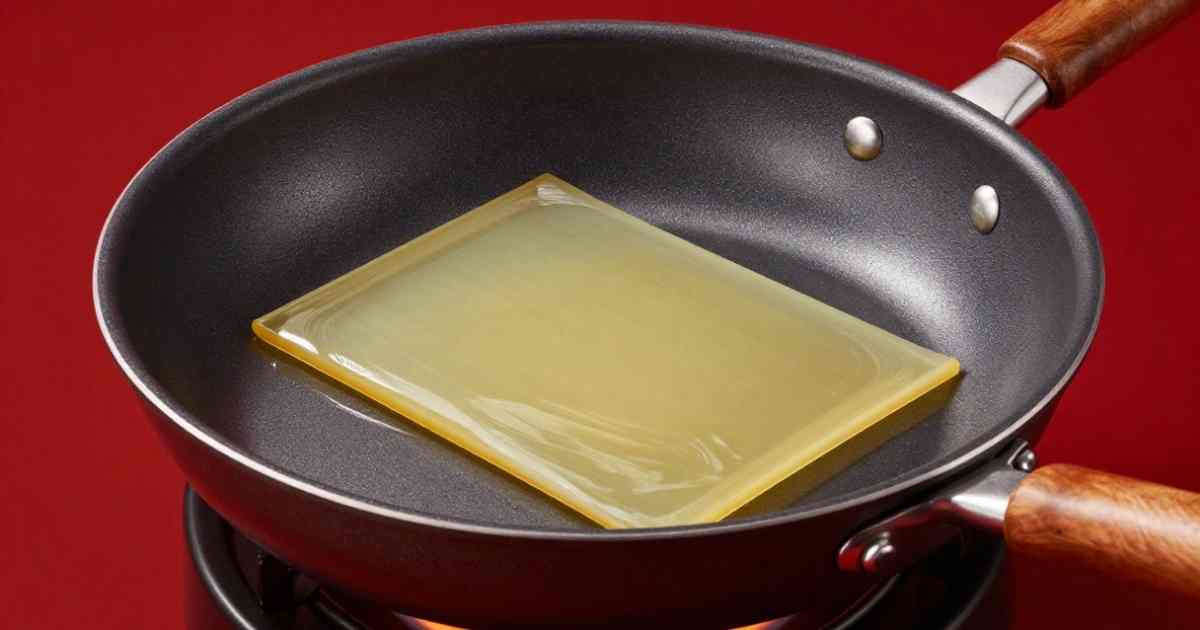
Nonstick cookware makes cooking and cleaning easier. It stops food from sticking to the pan.
This saves time and reduces the need for oil or butter. Understanding how nonstick cookware works starts with knowing its basic parts and materials.
Materials Used
Nonstick pans usually have a base made of aluminum or stainless steel. Aluminum heats quickly and evenly, making it a popular choice.
Stainless steel is strong and resists rust. Both materials provide a solid surface for the nonstick coating.
Coating Types
The most common coating is called PTFE, often known as Teflon. It creates a smooth surface that food cannot stick to.
Ceramic coatings are another option. They come from natural materials and are free from some chemicals found in PTFE.
Each coating offers different benefits for cooking and cleaning.
Manufacturing Process
Manufacturers first shape the pan’s base material. Next, they clean the surface to prepare for the coating. The coating is applied in thin layers.
Finally, the pan is baked at high temperatures. This process makes the coating stick firmly to the pan, ensuring durability.
How Nonstick Surfaces Function
Nonstick cookware has changed how we cook and clean. The secret lies in the special surface that stops food from sticking. This section explains how these surfaces work to make cooking easier and more enjoyable.
Chemical Properties
Nonstick surfaces have a special coating made from chemicals like PTFE. These chemicals create a smooth, slippery layer.
This layer stops food from sticking to the pan. The surface is also strong and resists heat and scratches.
Heat Distribution
Nonstick pans spread heat evenly across the surface. This helps cook food faster and more evenly.
Even heat prevents hot spots that can burn food. It also saves energy during cooking.
Food Release Mechanism
The smooth surface reduces friction between food and pan. Food slides off easily without breaking or sticking.
This makes flipping and stirring simple. It also means less oil or butter is needed.
Benefits Of Nonstick Cookware
Nonstick cookware offers many benefits that make cooking easier and more enjoyable. It helps with cooking food evenly and prevents sticking.
This type of cookware saves time and effort in the kitchen. It also supports healthier cooking methods.
The advantages make it a popular choice for both new and experienced cooks.
Ease Of Cooking
Nonstick cookware allows food to slide off easily. This means less chance of burning or sticking.
It is perfect for cooking eggs, pancakes, and delicate fish. You can use less oil or butter, which makes cooking simpler. The nonstick surface heats evenly, so food cooks well every time.
Health Advantages
Cooking with nonstick pans means using less fat. You can reduce oil and butter in recipes. This helps lower calorie intake and supports a healthier diet.
Nonstick surfaces also prevent food from sticking and burning. Burnt food can create harmful substances, so this is safer for your health.
Cleaning Convenience
Nonstick cookware is very easy to clean. Food residue comes off quickly with just a soft sponge.
There is no need for heavy scrubbing or soaking. This saves time and effort after meals. Most nonstick pans also work well with warm, soapy water.
They keep your kitchen chores light and fast.
Common Misconceptions
Many people have wrong ideas about nonstick cookware. These misunderstandings can stop them from using it well. Knowing the truth helps you cook better and keep your pans longer. Here are some common myths about nonstick pans.
Durability Concerns
Some think nonstick pans break or wear out fast. Modern nonstick coatings last longer than before.
Avoid using metal utensils to keep the surface safe. Hand washing helps prevent scratches and damage. With proper care, pans can stay good for years.
Safety Myths
People worry nonstick pans release harmful chemicals. Most nonstick cookware today is made without unsafe chemicals.
Cooking at normal temperatures is safe for health. Overheating any pan can cause problems, not just nonstick ones.
Always follow the manufacturer’s heat guidelines.
Usage Limitations
Many believe nonstick pans cannot cook all foods. They work well for eggs, pancakes, and delicate fish.
They are not best for high-heat searing or browning meat. Use other pans for tasks that need high heat. Nonstick pans make cooking easy but have some limits.
Maintaining Nonstick Cookware
Maintaining nonstick cookware helps keep it working well and lasts longer. Proper care stops the coating from wearing out fast. It also keeps food from sticking and makes cooking easier.
Follow simple steps to clean, store, and protect your nonstick pans. These small actions save money and improve your cooking experience.
Proper Cleaning Techniques
Clean nonstick pans with warm, soapy water after each use. Use a soft sponge or cloth to avoid scratches.
Avoid steel wool or rough scrubbers that damage the surface. For stuck food, soak the pan in warm water before cleaning. Rinse well and dry with a soft towel to prevent water spots.
Storage Tips
Store nonstick cookware carefully to avoid scratches and dents. Use pan protectors or soft cloth between stacked pans.
Keep them in a dry place away from moisture. Avoid piling heavy pots on top to maintain the coating’s integrity.
Avoiding Damage
Use wooden, silicone, or plastic utensils to protect the nonstick surface. Avoid metal tools that scratch and ruin the coating.
Cook on low to medium heat to prevent overheating. Never heat an empty nonstick pan. Follow manufacturer instructions for best care.
Choosing The Right Nonstick Pan
Choosing the right nonstick pan can make cooking easier and more enjoyable. The right pan helps cook food evenly and cleans up quickly.
Consider size, shape, material, and price to find a pan that fits your kitchen and cooking style.
Size And Shape Options
Nonstick pans come in many sizes. Small pans are great for eggs or sauces. Large pans work well for stir-fries or family meals.
Round pans are common, but square or oval shapes offer more cooking space. Choose a size and shape that suit your recipes and kitchen space.
Material Comparisons
Nonstick pans use different materials. Aluminum pans heat quickly and are lightweight. Stainless steel pans are durable but heat slower.
Some pans have ceramic coatings instead of traditional nonstick. Ceramic is free of chemicals but may wear out faster.
Pick a material that matches your cooking habits and care preferences.
Price Vs. Quality
Nonstick pans vary in price. Cheap pans might wear out quickly or lose their coating. Higher-priced pans often last longer and cook better.
Investing a bit more can save money over time. Balance your budget with the quality you need for daily cooking.
Future Trends In Nonstick Technology
The future of nonstick cookware is bright and full of promise. New technologies aim to make cooking easier, safer, and better for the environment.
Advances focus on improving materials and design to meet the needs of modern kitchens. This section explores key trends shaping the future of nonstick cookware.
Eco-friendly Coatings
Manufacturers are developing coatings that avoid harmful chemicals. These eco-friendly coatings reduce pollution and health risks.
They use natural materials or safer synthetic options. This change helps protect the environment and users’ well-being. Such coatings also break down less over time, lasting longer.
Enhanced Durability
New nonstick surfaces resist scratches and wear better than before. This durability saves money by extending the cookware’s life.
Stronger coatings mean food sticks less and clean-up is easier. Innovations focus on making pans tougher without adding weight. Cookware will maintain its nonstick properties for many years.
Innovative Designs
Future designs focus on improving heat distribution for even cooking. Some pans will have smart features to control temperature precisely.
Others may use new shapes that fit better on different stoves. Designers also work on handles that stay cool and offer a better grip. These improvements make cooking safer and more comfortable.
Frequently Asked Questions of How Nonstick Cookware Works: Secrets to Effortless Cooking
How Does Nonstick Cookware Prevent Food From Sticking?
Nonstick cookware has a special coating that stops food from sticking. This coating creates a smooth surface, making cooking and cleaning easier.
What Materials Are Used In Nonstick Cookware Coatings?
Common coatings include Teflon and ceramic. These materials create a slick layer that resists food and grease.
Can Nonstick Cookware Handle High Cooking Temperatures?
Most nonstick coatings work best at medium heat. High heat can damage the coating and reduce its effectiveness.
How Should I Clean And Maintain Nonstick Cookware?
Use soft sponges and mild soap to clean nonstick pans. Avoid metal tools to prevent scratching the surface.
Conclusion
Nonstick cookware uses a special coating to prevent food from sticking. This makes cooking and cleaning easier and faster.
The smooth surface helps heat spread evenly across the pan. Using the right tools keeps the coating safe and lasts longer.
Understanding how nonstick pans work helps you cook better meals. Choose quality cookware to enjoy these benefits every day.
Simple care keeps your pans working well for years. Cooking becomes less stressful and more fun with nonstick pots and pans.


