Types of Camping: From Tent Camping to Glamping
Key Takeaways
- Tent camping offers a classic, low-cost outdoor experience with basic gear
- Car camping provides convenience by keeping supplies close to your vehicle
- RV camping adds comfort with beds, electricity, and built-in amenities
- Backpacking involves hiking to remote areas with lightweight gear
- Survival camping focuses on minimal equipment and wilderness skills
- Cabin camping offers shelter and comfort while still being nature-focused
- Glamping provides a luxury experience with furnished tents or cabins
Are you ready to discover the many ways you can enjoy the great outdoors? Whether you’re a nature lover who loves the simple thrill of pitching a tent or someone who prefers comfort with a touch of luxury, camping offers something for you.
From the classic experience of tent camping to the stylish ease of glamping, there’s a perfect option waiting to match your style and mood. You’ll explore different types of camping that can turn your next trip into an unforgettable adventure.
Keep reading to find the best fit for your next outdoor escape!
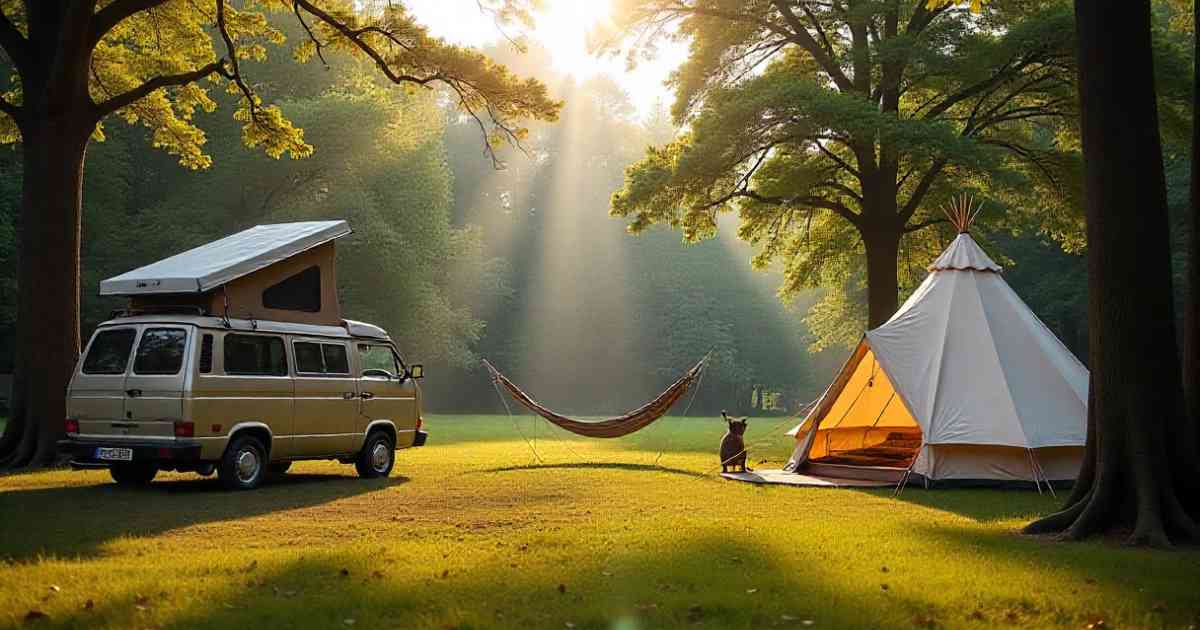
Tent Camping
Tent camping offers a classic outdoor experience. It connects you directly with nature. You sleep under the stars and enjoy fresh air. This type of camping suits beginners and seasoned campers alike. It is affordable and flexible, allowing you to camp in many locations. Understanding the essentials helps create a comfortable and safe trip.
Basic Gear Essentials
A sturdy tent is the most important item. Choose one that fits your group size and weather needs. Bring a sleeping bag rated for the temperature. A sleeping pad adds comfort and insulation from the ground. Pack a flashlight or headlamp with extra batteries. Include a camping stove or portable grill for cooking. Don’t forget water containers and basic first aid supplies.
Choosing A Campsite
Select a flat, dry area free of rocks and roots. Avoid low spots that may collect water. Check for nearby water sources and restroom facilities. Respect campground rules and designated spots. Consider the direction of the wind to protect your tent. Look for shade to keep cool during the day. A safe distance from wildlife trails is important.
Setting Up Your Tent
Clear the ground of sticks and debris first. Lay down a footprint or tarp to protect the tent floor. Assemble the tent poles and secure them properly. Stake the tent corners tightly to keep it stable. Attach rain flies if rain is expected. Check the tent’s ventilation to reduce condensation inside. Practice setting up your tent at home before the trip.
Backpacking
Backpacking is a popular camping style that blends hiking with overnight stays in nature. It involves carrying all essentials in a backpack while trekking through trails. This form of camping offers freedom and a deep connection with the wilderness.
Backpacking demands planning and careful preparation. The weight of your pack affects your energy and enjoyment. Safety is crucial on remote trails. Respecting nature and campfire safety helps protect the environment for future hikers.
Packing Light
Choose gear that is lightweight and multi-purpose. Pack only what is necessary for survival and comfort. Avoid heavy items that slow you down. Use compact sleeping bags and tents designed for backpacking. Bring enough food and water but keep weight low. Distribute weight evenly in your backpack for balance.
Trail Safety Tips
Stay on marked trails to avoid getting lost. Inform someone about your route and expected return. Carry a map, compass, or GPS device. Watch the weather and prepare for changes. Keep a first aid kit handy. Stay alert for wildlife and keep a safe distance. Drink plenty of water and rest often to avoid exhaustion.
Campfire Rules
Build campfires only where allowed. Use existing fire rings to protect the ground. Keep the fire small and manageable. Never leave a fire unattended. Have water or dirt nearby to extinguish the fire quickly. Put out the fire completely before sleeping or leaving. Follow all local fire regulations to prevent wildfires.
Car Camping
Car camping offers a perfect blend of convenience and outdoor adventure. It allows campers to bring more gear and comforts than backpacking or tent-only camping. Your vehicle stays close, making it easy to pack and access supplies. This style suits families, beginners, and anyone wanting a relaxed camping experience. It opens up many possibilities for exploring nature without leaving behind modern comforts.
Benefits Of Car Camping
Car camping lets you carry larger tents and more gear. You can bring extra food, chairs, and cooking tools. It reduces the need to hike long distances with heavy packs. This style is great for kids and older campers. You can enjoy fresh air and nature without sacrificing comfort. Setting up camp is faster and easier. It also offers more safety, as your car is nearby.
Campground Selection
Choose campgrounds that allow vehicle access to your site. Look for spots with amenities like restrooms and picnic tables. Some campgrounds offer electrical hookups and water. Consider locations near hiking trails or lakes. Booking ahead is smart, especially in busy seasons. Check campground rules about campfires and pets. A good site balances convenience and a natural setting.
Organizing Your Gear
Pack gear in bins or bags for easy loading and unloading. Keep essentials like tents and sleeping bags within reach. Use separate bags for cooking supplies and clothes. Label containers to find things quickly. Store food in coolers or sealed containers to avoid wildlife. Bring a checklist to avoid forgetting items. Organizing well saves time and stress at camp.
Rv Camping
RV camping offers a unique blend of comfort and adventure. It allows travelers to explore the outdoors while enjoying many home-like amenities. This style suits those who want mobility without sacrificing convenience.
With an RV, you can travel across regions without the hassle of setting up a tent. It provides shelter, kitchen facilities, and often bathroom space, making camping accessible to everyone.
Types Of Rvs
There are several types of RVs to fit different needs and budgets. Class A motorhomes are large and luxurious, perfect for long trips. Class B camper vans are smaller, easier to drive, and ideal for quick getaways. Class C motorhomes offer a balance, with moderate size and good amenities. Travel trailers and fifth wheels require a towing vehicle but offer spacious interiors. Each type suits different travel styles and group sizes.
Hookups And Facilities
RV campsites often provide hookups for electricity, water, and sewage. These connections make staying in an RV comfortable and convenient. Some sites also offer Wi-Fi, laundry, and shower facilities. Understanding how to connect and use these utilities ensures a smooth camping experience. Many campgrounds categorize sites by hookup availability, so choose one that meets your needs.
Driving And Parking Tips
Driving an RV requires careful attention and practice. Take time to learn the vehicle’s size and turning radius. Always check height and weight limits on roads and bridges. Use mirrors and backup cameras when parking. Choose spacious sites and avoid tight or uneven spots. Plan routes with RV-friendly roads and avoid busy city centers. Driving slowly and cautiously helps prevent accidents and damage.
Canoe And Kayak Camping
Canoe and kayak camping blends water travel with outdoor adventure. It offers a unique way to explore remote places. Paddling through lakes and rivers leads campers to quiet spots unreachable by car or foot. This type of camping requires special skills and gear to stay safe and dry. Planning and preparation make the trip enjoyable and smooth.
Waterproof Packing
Keeping gear dry is key in canoe and kayak camping. Use waterproof bags or dry sacks for clothes and food. Seal everything tightly to avoid water damage. Pack items in layers to organize and protect them better. Place heavy items at the bottom of the boat for balance. Always bring extra plastic bags for added protection.
Portaging Techniques
Portaging means carrying your canoe or kayak over land between water bodies. Learn to lift and balance your boat properly. Use a yoke or shoulder straps to reduce strain. Plan your route to avoid rough or steep terrain. Walk slowly and carefully to prevent injuries. Teamwork helps when the boat is heavy or the path is tough.
Safety On Water
Wearing a life jacket is essential for every paddler. Check weather conditions before and during the trip. Carry a whistle or signaling device for emergencies. Know how to swim and perform self-rescue techniques. Avoid paddling alone in remote areas. Inform someone about your trip plan and expected return time.
Glamping
Glamping combines the excitement of camping with the comfort of luxury. It offers a unique way to enjoy nature without sacrificing convenience. This style suits those who want outdoor experiences but prefer cozy surroundings. Glamping makes nature accessible to many who avoid traditional rough camping.
Popular Glamping Setups
Tent lodges provide a spacious, cozy shelter with sturdy frames. Yurts offer round, insulated spaces with a warm, inviting feel. Treehouses lift you above the ground for a fun, elevated stay. Cabins blend rustic charm with modern comforts in a solid structure. Each setup appeals to different tastes and adventure levels.
Luxury Amenities
Many glamping sites include real beds with soft linens. Electricity powers lights, heaters, and sometimes Wi-Fi connections. Private bathrooms often feature hot showers and flush toilets. Some places add kitchenettes or fire pits for cooking. These amenities create a relaxing and enjoyable outdoor experience.
Finding Glamping Sites
Search for glamping sites near popular parks or natural landmarks. Use online platforms specializing in unique outdoor stays. Check reviews to ensure cleanliness and good service. Booking early is wise, as spots fill quickly during peak seasons. Local tourism websites often highlight hidden gems worth exploring.
Frequently Asked Questions Of Types of Camping: From Tent Camping to Glamping
What Are The Big 3 Of Camping?
The big 3 of camping are shelter, sleep system, and backpack. These essentials ensure safety, comfort, and mobility outdoors.
How Many Types Of Camping Are There?
There are several types of camping: tent camping, car camping, backpacking, RV camping, canoe camping, survival camping, winter camping, hammock camping, and glamping. Each type offers unique experiences and requires different gear and skills.
What Is The 3 3 3 Rule Camping?
The 3-3-3 rule camping means packing 3 essentials: 3 days of food, 3 liters of water per person daily, and a 3-season tent.
What Are The 7 C’s Of Camping?
The 7 C’s of camping are Care, Caution, Courtesy, Cleanliness, Cooperation, Conservation, and Common Sense. They ensure safety and respect outdoors.
Conclusion
Camping offers something for everyone, from simple tents to luxury glamping. Each type lets you enjoy nature in a unique way. Whether you prefer roughing it or comfort, adventure awaits outside. Choose the style that fits your mood and needs.
Camping can refresh your mind and body, creating lasting memories. Try different types to find what you love most. Nature is ready—just pack your gear and head out.


