The Importance of Leave No Trace Principles in Camping
Key Takeaways
- Minimizes human impact to keep natural areas clean and healthy
- Protects wildlife by reducing disturbances and preventing food attraction
- Encourages responsible waste disposal, including packing out all trash
- Promotes staying on designated trails to prevent ecosystem damage
- Teaches campers to respect other visitors with quiet and considerate behavior
- Helps preserve natural beauty for future generations to enjoy
- Supports safe and sustainable outdoor recreation practices
When you head out into the great outdoors, your actions have a bigger impact than you might realize. Every step you take, every campfire you build, and every piece of trash you leave behind can change the natural world around you.
That’s why understanding and practicing Leave No Trace principles is so important. These simple but powerful guidelines help you enjoy nature while protecting it—so the forests, rivers, and wildlife you love today stay vibrant and healthy for years to come.
If you want to make sure your camping trips leave only footprints and no harm, keep reading to discover why Leave No Trace matters and how you can make a difference every time you explore.
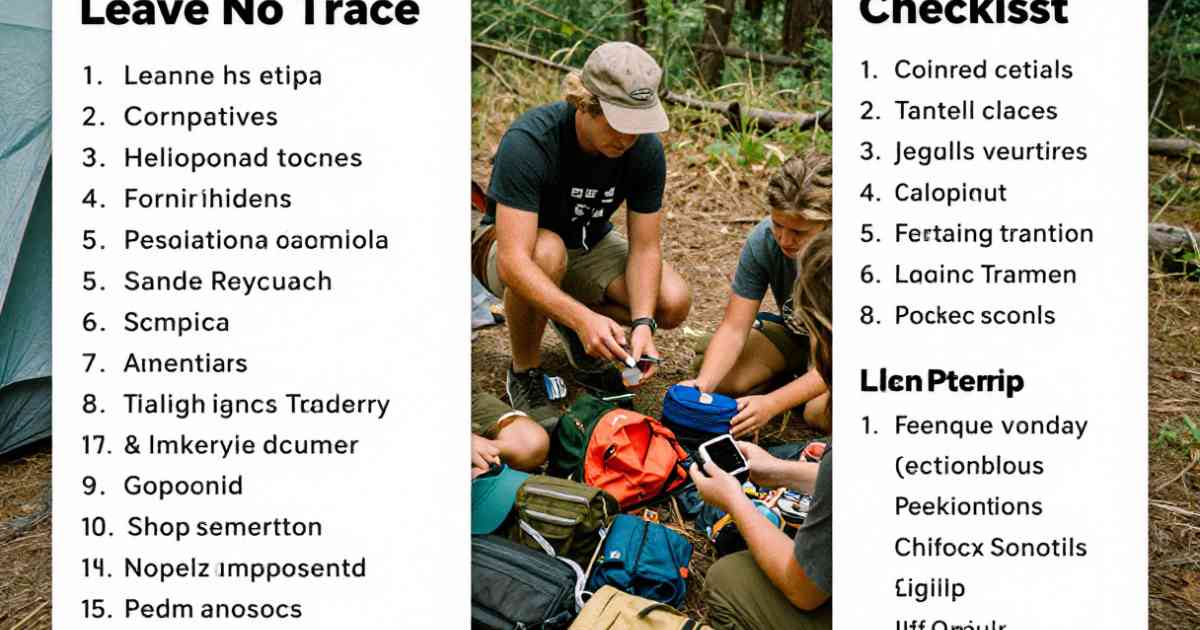
Core Leave No Trace Principles
The Core Leave No Trace Principles guide campers to protect nature and reduce their impact. These principles help keep wild places clean and safe. They teach respect for the environment and others.
Following these principles makes camping more enjoyable for everyone. It supports healthy ecosystems and preserves natural beauty. Each principle offers simple actions that create big benefits.
Plan Ahead And Prepare
Good planning prevents problems on the trail. Know the rules and regulations of the area. Check weather and pack the right gear. This helps avoid damage and keeps you safe.
Travel And Camp On Durable Surfaces
Stick to trails and campsites to protect soil and plants. Avoid fragile areas like meadows and wetlands. Use established sites to prevent erosion and habitat loss.
Dispose Of Waste Properly
Pack out all trash, leftover food, and litter. Use toilets or dig small holes for human waste. This stops pollution and protects water quality.
Leave What You Find
Do not take plants, rocks, or artifacts. Leave natural and cultural objects for others to enjoy. This helps preserve the area’s history and beauty.
Minimize Campfire Impact
Use a camp stove or fire pan instead of building a fire. If fires are allowed, keep them small and use existing fire rings. Always fully extinguish fires to prevent wildfires.
Respect Wildlife
Observe animals from a distance. Do not feed or approach them. Secure food and trash to avoid attracting wildlife. This keeps animals safe and wild.
Be Considerate Of Other Visitors
Keep noise low and yield to others on trails. Respect privacy and space of fellow campers. Follow etiquette to create a pleasant experience for all.
Protecting Natural Beauty
Protecting natural beauty is a key reason to follow Leave No Trace principles. Nature’s landscapes offer peace, inspiration, and joy. Preserving these places means they stay clean and wild for everyone. Careless camping can harm plants, soil, and water. Simple actions can keep the environment healthy and attractive.
Every camper has a role in protecting natural beauty. Respecting the land helps maintain its original look. It also supports the life that depends on these habitats. Following Leave No Trace keeps nature’s charm alive today and tomorrow.
Minimizing Visible Impact
Leave No Trace encourages campers to leave no marks behind. Avoid digging holes or breaking branches. Use existing trails and campsites to reduce damage. Pack out all trash, including food scraps. This prevents litter from spoiling the view and harming wildlife.
Preserving Plants And Wildlife
Plants and animals need safe spaces to thrive. Stay on trails to avoid crushing plants or disturbing animals. Do not feed or approach wildlife. Keeping a distance protects their natural behavior. Protecting habitats ensures future visitors see healthy ecosystems.
Reducing Pollution And Waste
Pollution ruins natural beauty quickly. Carry out all waste and leftover food. Use biodegradable soap and dispose of wastewater away from water sources. Avoid burning trash or leaving behind non-biodegradable items. Clean campsites keep water and soil pure.
Respecting Other Visitors
Natural beauty is for everyone to enjoy. Keep noise low and respect others’ space. Follow campsite rules and share common areas peacefully. A quiet, clean environment makes outdoor experiences better for all visitors.
Safeguarding Wildlife And Ecosystems
Protecting wildlife and ecosystems is a key goal of the Leave No Trace principles. Nature’s balance depends on all living things and their habitats. Camping can disturb animals and damage fragile environments. Following simple rules helps keep these places safe and healthy.
Respecting wildlife means observing animals from a distance. Feeding or touching them changes their natural behavior. This can cause stress or make animals dependent on humans. Leaving plants and natural features untouched preserves habitats for all creatures.
Minimizing Human Impact On Habitats
Walking only on trails prevents soil erosion and plant damage. Setting up tents away from water sources avoids polluting streams. Carrying out all trash stops harmful waste from entering ecosystems. These small actions protect the homes of many species.
Preventing Disturbance To Wildlife
Noise and bright lights can scare animals and disrupt their routines. Keeping voices low and using headlamps with red light reduces this disturbance. Avoiding wildlife areas during breeding or nesting seasons helps animals thrive.
Preserving Natural Resources
Using biodegradable soap and limiting campfire size protects water and soil quality. Collecting firewood only from dead branches prevents tree damage. Conserving resources ensures that ecosystems remain balanced and resilient.
Reducing Impact From Overuse
Reducing impact from overuse is vital to protect natural areas. Popular camping spots often suffer from damage due to many visitors. Trails get worn out, plants are crushed, and soil erodes. Wildlife may be disturbed or displaced. Overuse can turn beautiful places into damaged ones.
Applying Leave No Trace principles limits this harm. It helps keep outdoor areas clean and healthy. Every camper plays a role in reducing overuse impact.
Stay On Established Trails And Campsites
Walking off trails damages plants and soil. It creates new paths that increase erosion. Staying on marked trails preserves the land. Camping only in designated spots avoids harming vegetation. This simple action helps reduce wear and tear on nature.
Limit Group Size And Stay Spread Out
Large groups cause more impact on the environment. Noise and waste increase with group size. Small groups are easier on natural areas. Keeping distance between tents lessens concentrated damage. This practice helps protect fragile ecosystems from heavy use.
Pack Out All Trash And Waste
Litter attracts animals and harms wildlife. Leftover food and trash pollute soil and water. Carrying out all waste keeps campsites clean. Proper disposal protects plants and animals. It keeps the wilderness beautiful for others to enjoy.
Use Fire Responsibly
Campfires can scar the ground and destroy plants. Collecting wood may remove habitat for wildlife. Using established fire rings limits damage. Consider using a camp stove for cooking. Responsible fire use reduces the risk of lasting harm.
Promoting Responsible Recreation
Promoting responsible recreation is key to protecting natural spaces for everyone. It encourages visitors to enjoy nature without causing harm. By following simple guidelines, campers and hikers help keep wild areas clean and safe.
Responsible recreation respects the environment and other people sharing the space. It supports the idea that nature belongs to all and should remain healthy. Practicing good habits outdoors creates a positive experience for future visitors.
Respecting Wildlife And Natural Habitats
Responsible recreation means keeping a safe distance from animals. It avoids disturbing their homes and daily routines. Protecting habitats helps plants and animals thrive without stress from human activity.
Reducing Waste And Pollution
Carrying out all trash keeps natural areas clean. Avoiding litter prevents harm to wildlife and plants. Using biodegradable products and minimizing waste protects soil and water quality.
Staying On Marked Trails
Walking only on designated paths prevents soil erosion. It protects fragile plants and reduces damage to the landscape. Staying on trails also helps avoid getting lost or causing accidents.
Sharing The Outdoors Considerately
Being quiet and polite respects other visitors’ experience. Yielding the trail and giving space shows good manners. Responsible behavior makes outdoor activities enjoyable for everyone.
Enhancing Safety And Preparedness
Enhancing safety and preparedness is a key benefit of following Leave No Trace principles. These guidelines help campers plan better trips and reduce risks in the outdoors. Being prepared means fewer emergencies and a more enjoyable experience.
Leave No Trace encourages careful planning before heading out. Knowing the area, weather, and local rules helps avoid surprises. Campers can stay safe by carrying the right gear and supplies. This preparation lowers the chance of accidents or injuries.
Planning Ahead For Safe Camping
Good planning means choosing a safe campsite and knowing the terrain. It helps campers avoid dangerous spots like steep cliffs or unstable ground. Planning also involves checking weather forecasts to prevent exposure to storms or extreme temperatures.
Carrying a map, compass, or GPS device is part of this step. These tools help campers stay on trails and find their way if lost. Planning ahead reduces stress and increases confidence in the wilderness.
Minimizing Risks By Respecting Nature
Leave No Trace teaches respect for wildlife and plants. Avoiding close contact with animals prevents bites or attacks. Staying on trails protects fragile plants and prevents erosion, which can cause slips or falls.
Campfires must be managed carefully to avoid wildfires. Using established fire rings and keeping fires small lowers risks. Properly extinguishing fires protects the environment and campers alike.
Carrying Essential Safety Gear
Following Leave No Trace means packing safety gear for emergencies. This includes first aid kits, water purification tools, and extra food. Having these items ready helps campers handle injuries or unexpected delays.
Also, carrying a whistle or signaling device can help attract help if needed. Being prepared with safety gear shows respect for the outdoors and personal well-being.
Frequently Asked Questions Of The Importance of Leave No Trace Principles in Camping
Why Is It Important To Follow The Leave No Trace Principles?
Following Leave No Trace principles protects nature by minimizing human impact, preserving ecosystems, wildlife habitats, and natural beauty. It promotes responsible outdoor activities and ensures safe, enjoyable experiences while keeping wild areas healthy for future generations.
What Is The Leave No Trace Rule For Camping?
The Leave No Trace rule guides campers to minimize environmental impact. It promotes respecting nature, preserving ecosystems, and leaving no waste behind. Following these principles protects wildlife, maintains natural beauty, and ensures outdoor areas remain enjoyable for future visitors.
What Are The 7 C’s Of Camping?
The 7 C’s of camping are Cutlery, Cookware, Clothing, Cover, Candle, Container, and Comfort. These essentials ensure a safe and enjoyable camping experience.
What Is The Golden Rule Of Camping?
The golden rule of camping is to leave no trace. Protect nature by minimizing impact and respecting the environment. Preserve beauty for future generations
Conclusion
Following Leave No Trace principles keeps nature clean and safe. It helps protect plants, animals, and their homes. Camping responsibly means less damage to trails and campsites. Everyone can enjoy outdoor spaces longer this way. Simple actions make a big difference for the environment.
Respecting nature ensures future campers have the same great experience. Remember, small efforts today protect wild places tomorrow. Leave No Trace is about caring for the earth while having fun.


