Survival Skills for Campers: What You Need to Know
Key Takeaways
- Understand how to build a safe and efficient campfire
- Know essential first-aid techniques for injuries and emergencies
- Practice purifying water using filters, tablets, or boiling
- Familiarize yourself with local wildlife and how to stay safe
- Master simple shelter-building techniques in case of tent failure
- Carry essential survival tools: knife, whistle, multitool, flashlight
- Learn how to signal for help using sound, light, or visible markers
- Practice staying calm and making smart decisions in stressful situations
- Always inform someone of your camping location and return time
When you step into the wild, your safety depends on more than just good gear—it’s your survival skills that truly count. Imagine facing unexpected weather, getting lost, or running low on supplies.
Would you know what to do? Knowing the basics like how to make fire, find clean water, or build shelter can make the difference between a great adventure and a dangerous situation. This guide breaks down the essential survival skills every camper needs.
By the end, you’ll feel confident and prepared to handle whatever nature throws your way. Keep reading—your next camping trip could depend on it.
Essential Cutting Tools
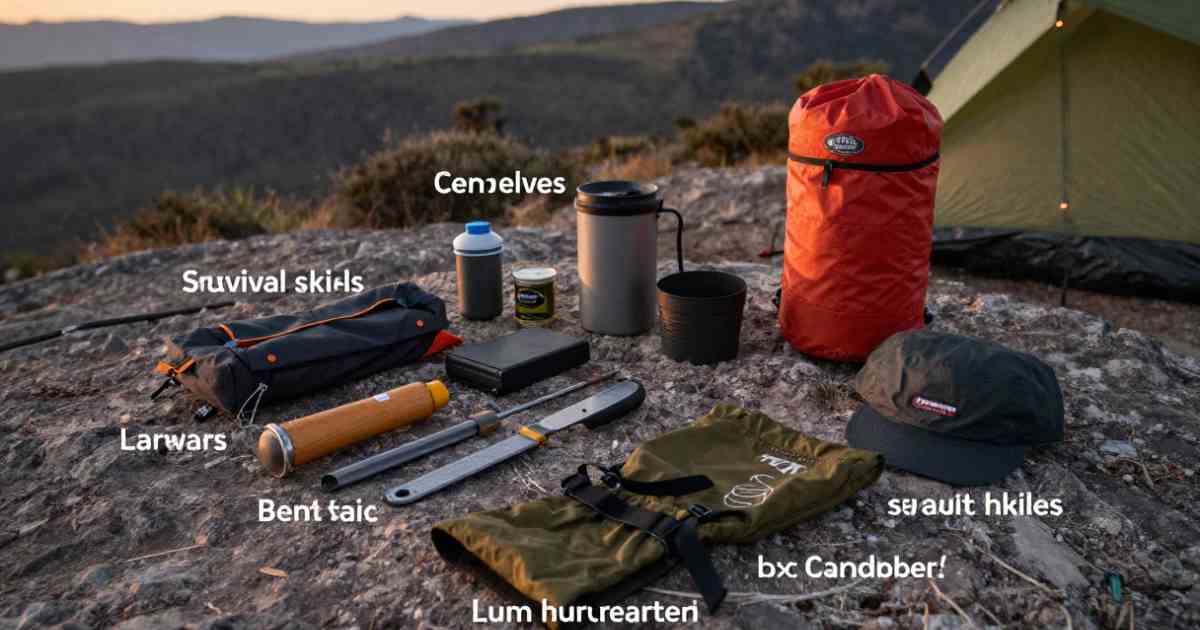
Essential cutting tools form the backbone of any camper’s survival kit. These tools help with preparing food, building shelter, and making other tools. A good cutting tool can save time and effort in tough outdoor conditions.
Knowing how to choose and use cutting tools is important. Also, learning to craft tools from natural materials adds to your self-reliance in the wild.
Choosing The Right Knife
A knife is the most important cutting tool for campers. It must be strong, sharp, and easy to handle. Fixed-blade knives are more durable than folding knives. Look for a blade made of high-quality stainless steel. The handle should provide a firm grip, even when wet.
Size matters. A blade length of 3 to 5 inches works well for most tasks. Avoid very small or very large knives. The knife should feel balanced in your hand. Carry it in a secure sheath to prevent accidents.
Crafting Tools From Nature
In the wild, you can make cutting tools from wood, stone, or bones. Sharp stones can be shaped into scrapers or blades for cutting. Hard wood can be carved into spears or digging sticks. Bone fragments may serve as needles or small cutting edges.
Practice shaping these natural materials before your trip. Use your knife to refine and sharpen them. These tools help when your main knife is unavailable or broken. Understanding nature’s resources increases your survival chances.
Fire Making Techniques
Fire making is a vital skill every camper should learn. It provides warmth, cooks food, and signals for help. Knowing different fire making techniques ensures success in varied conditions. Practice both modern and primitive methods for confidence in the wild.
Reliable Fire Starters
Carry multiple fire starters for safety. A lighter works well in dry conditions. Waterproof matches resist water and humidity. A ferrocerium rod sparks even when wet. Keep these tools in a dry, accessible place. Also, pack cotton balls or dryer lint as tinder. These ignite quickly and help start fires fast.
Primitive Fire Methods
Primitive fire methods need patience and practice. The bow drill uses friction to create heat. It requires a spindle, fireboard, and bow. The hand drill spins a stick between your hands. It is simpler but needs more effort. Flint and steel produce sparks by striking metal on stone. These methods work without modern tools. Perfect for emergencies or skill-building in nature.
Water Collection And Storage
Water is essential for survival during camping trips. Knowing how to collect and store water keeps you hydrated and safe. Campers must prepare for times when clean water is not readily available.
Collecting water from nature requires care to avoid contamination. Proper storage protects water from dirt and germs. This section covers important tips on handling water containers and purifying water in the wild.
Using Containers Safely
Choose containers made of safe materials like metal or BPA-free plastic. Avoid using containers that held chemicals or non-food items. Clean containers thoroughly before use to prevent germs.
Keep containers covered to stop insects and dust from entering. Store water in a cool, shaded place to slow bacterial growth. Avoid leaving containers open for long periods.
Label containers if storing different liquids to prevent confusion. Inspect containers regularly for cracks or leaks. Replace damaged containers immediately to avoid spills and contamination.
Purifying Water In The Wild
Natural water sources often contain harmful bacteria and parasites. Purifying water before drinking prevents sickness. Boiling water for at least one minute kills most germs.
Use portable water filters designed for camping to remove impurities. Chemical tablets or drops can also disinfect water effectively. Follow product instructions carefully for safe use.
Solar disinfection is another option: fill clear bottles and leave them in sunlight for six hours. Always carry backup purification methods for emergencies. Clean water means better health and more energy on your trip.
Shelter And Weather Protection
Protecting yourself from harsh weather is vital for camping survival. Shelter and weather protection keep you safe, warm, and dry. Proper shelter prevents hypothermia, heatstroke, and other weather-related issues. Learning basic shelter skills improves your chances in the wild. Focus on clothing choices and using tarps or emergency blankets for best results.
Clothing For Different Climates
Choose clothing based on the climate you camp in. In cold weather, wear layers to trap body heat. Start with a moisture-wicking base layer to keep skin dry. Add an insulating layer, like fleece, for warmth. Finish with a waterproof outer layer to block wind and rain.
In hot climates, wear light-colored, loose clothes. These reflect sunlight and allow air circulation. Use hats and sunglasses to protect your head and eyes. Always carry extra dry clothes to change into if needed. Proper clothing reduces risks from extreme temperatures.
Using Tarps And Emergency Blankets
Tarps are versatile tools for quick shelter. Set them up as simple roofs or windbreaks using rope and trees. They shield you from rain, sun, and wind effectively. Emergency blankets are lightweight and compact. They reflect your body heat back to you, keeping you warm.
Combine tarps and emergency blankets for better protection. Use blankets inside tarps for extra insulation. Both are essential in survival kits. Knowing how to use them increases comfort and safety outdoors.
Cordage Uses And Importance
Cordage is one of the most useful tools for campers and survivalists. It is strong, lightweight, and versatile. Having reliable cordage can make many tasks easier and safer in the wild. Campers use it for tying, binding, and securing items. Without cordage, building shelter or fixing gear becomes very difficult. Carrying good quality rope or paracord is essential for any outdoor adventure.
Building And Repairing Shelter
Cordage helps hold shelter materials together. It can tie branches, tarps, or blankets in place. Strong knots keep your shelter stable against wind and rain. When a shelter breaks, cordage can repair tears or loose parts quickly. It also allows campers to create makeshift shelters from natural materials. Using cordage correctly improves safety and comfort in the outdoors.
Other Survival Applications
Cordage is useful beyond shelter building. It helps in setting traps to catch food. It can secure gear to backpacks or hang food away from animals. Campers use cordage for making splints or slings in injuries. It works as a clothesline to dry wet clothes. Cordage also assists in creating fishing lines or snares. Its many uses make it a vital part of survival kits.
Prioritizing Survival Needs
Prioritizing survival needs is crucial for every camper. Knowing which needs to address first can save your life. It helps you stay calm and focused in challenging situations. Understanding your priorities makes your camping trip safer and more enjoyable.
Survival depends on managing basic needs in order. Start with the most urgent, then move to less critical needs. This approach gives you the best chance to stay safe and healthy outdoors.
Applying The Rule Of Threes
The Rule of Threes guides you on survival priorities. You can survive three minutes without air, three hours without shelter in harsh conditions, three days without water, and three weeks without food. This rule shows which needs to handle first.
Focus on breathing and air quality immediately. Next, protect yourself from weather extremes with shelter. Then, find and purify water. Food is important but less urgent in the short term.
Managing Air, Shelter, Water, And Food
Air is vital. Avoid smoky or polluted areas. Keep your airway clear and breathe calmly. Shelter protects from cold, heat, rain, and wind. Use natural materials or carry a tent or tarp.
Water is essential. Locate clean water sources quickly. Boil or filter water to avoid sickness. Food helps your body stay strong. Prioritize lightweight, high-energy snacks like nuts or dried fruit.
Plan your actions based on these needs. Secure air, build shelter, gather water, then find food. This order keeps you alive and reduces stress.
Frequently Asked Questions Of Survival Skills for Campers: What You Need to Know
What Are The 5 C’s Of Survival?
The 5 C’s of survival are Cutting tool, Combustion (fire), Container, Cover, and Cordage. These essentials aid shelter, warmth, water, and shelter building.
What Is The 3-3-3 Rule For Survival?
The 3-3-3 rule for survival states: survive three minutes without air, three hours without shelter, and three days without water. It prioritizes immediate needs to increase survival chances.
What Are The 7 C’s Of Camping?
The 7 C’s of camping are Cutting tool, Combustion, Container, Cover, Cordage, Compass, and Candle. These essentials ensure safety and preparedness outdoors.
What Are The 7 Priorities Of Wilderness Survival?
The seven priorities of wilderness survival are: maintain an open airway, control bleeding, build shelter, find water, start fire, signal for help, and secure food. These steps ensure safety, warmth, hydration, and rescue chances in the wild.
Conclusion
Survival skills help keep campers safe and confident outdoors. Carry essential tools like a knife, fire starters, and cordage. Know how to find water and build shelter quickly. Practice these skills before your trip for best results. Stay calm and think clearly if an emergency arises.
Being prepared makes camping more enjoyable and less risky. Remember, simple knowledge can protect you in the wild. Keep learning and practicing to improve your outdoor experience.


