How to Plan the Perfect Camping Trip: A Checklist
Key Takeaways
- Choose your campsite early and check availability or permit requirements
- Plan meals ahead of time and create a simple grocery list
- Pack essential gear: tent, sleeping bag, stove, lights, first-aid kit
- Check the weather forecast and adjust clothing and supplies accordingly
- Make a safety plan by informing someone of your trip details
- Create a final packing checklist to ensure nothing important is forgotten
Planning a camping trip can be exciting but also overwhelming if you don’t have a clear plan. Imagine arriving at your campsite only to realize you forgot something essential or feeling unprepared for unexpected weather.
You don’t want your perfect outdoor escape to turn into a stressful experience. That’s why having a solid checklist is your secret weapon. In this guide, you’ll discover exactly what you need to pack, how to stay safe, and ways to make your trip comfortable and fun.
Ready to plan your perfect camping adventure without the hassle? Let’s get started!
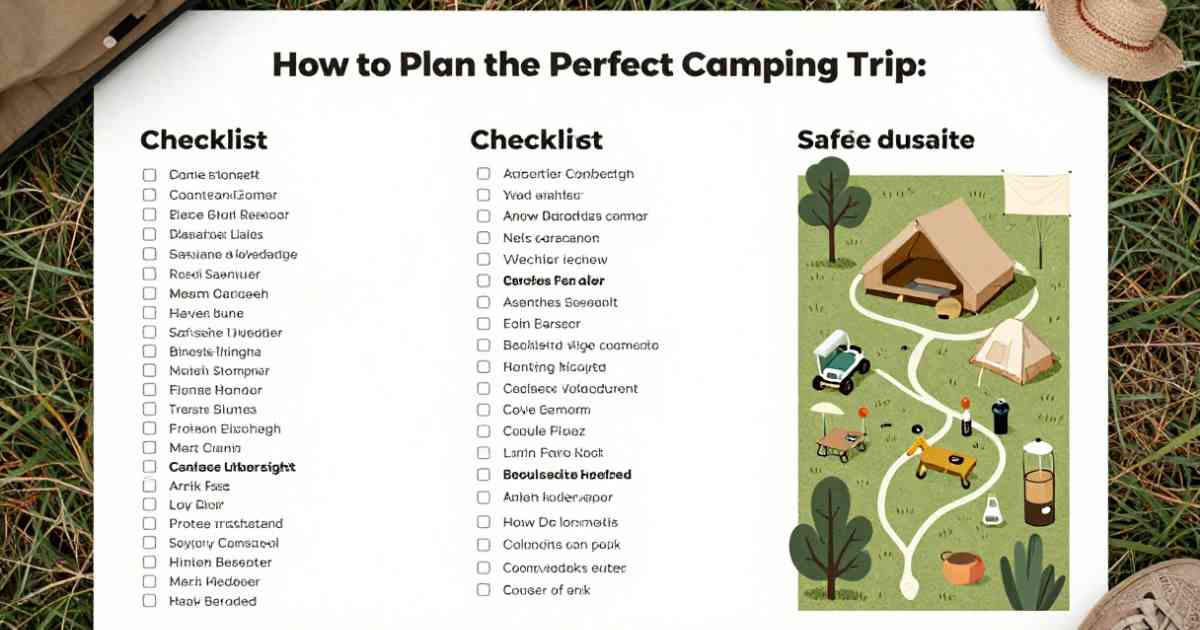
Choosing A Campsite
Choosing the right campsite sets the tone for your entire camping trip. A good spot offers comfort, safety, and access to nature. Take time to pick a place that fits your needs and camping style. This section covers key points to help you select the perfect site.
Research Locations
Start by exploring different campgrounds near your destination. Look for places that match your activity plans, such as hiking or fishing. Read reviews and check maps to find spots with good access and scenery. Public parks, national forests, and private campgrounds all offer unique experiences.
Consider Amenities
Think about the facilities you need. Some campsites have toilets, showers, and picnic tables. Others may only offer basic areas for tents. Decide if you want electricity or water hookups, especially for RVs. Amenities can make your trip easier and more enjoyable.
Check Weather Conditions
Weather affects your camping comfort and safety. Check forecasts for your chosen area before booking. Rain or extreme heat can change your plans. Choose a site with good drainage to avoid flooding. Shade and wind protection also improve your stay.
Essential Gear
Essential gear forms the backbone of every successful camping trip. It ensures comfort, safety, and convenience while you enjoy nature. Proper preparation with the right equipment makes your outdoor experience smooth and fun. Focus on shelter, bedding, cooking gear, lighting, and tools to cover all basic needs.
Shelter And Bedding
A reliable shelter protects you from weather and insects. Choose a tent that fits your group size and is easy to set up. Include a waterproof groundsheet to keep moisture out. Bring a sleeping bag suitable for the expected temperature. A sleeping pad adds comfort and insulation from the ground. Don’t forget a camping pillow or a small cushion for a good night’s rest.
Cooking Equipment
Food preparation is key for energy and enjoyment. A portable stove or camping grill works well for cooking meals. Carry fuel and matches or a lighter in a waterproof container. Bring pots, pans, and utensils for cooking and eating. A cooler keeps perishable food fresh. Pack reusable plates and cups to reduce waste. Don’t forget a small knife for cutting and food prep.
Lighting And Tools
Lighting helps you navigate and stay safe after dark. Headlamps and flashlights are practical and hands-free options. Carry extra batteries or rechargeable lights to avoid being left in the dark. A multi-tool or camping knife is useful for many tasks. Include a small first aid kit and duct tape for quick fixes. A whistle can be helpful in emergencies to signal for help.
Food And Water Planning
Planning food and water is essential for a smooth camping trip. Proper preparation avoids hunger and dehydration. It also keeps you safe and energized throughout your adventure.
Meal Preparation
Choose easy-to-cook meals that fit your trip length. Bring lightweight, non-perishable foods like canned goods, nuts, and dried fruits. Plan simple breakfasts, lunches, and dinners to save time. Pre-cut ingredients at home to reduce cooking effort. Carry basic cooking tools such as a portable stove and utensils.
Water Sources
Identify nearby water sources before leaving. Lakes, rivers, and streams can provide fresh water. Always carry enough water for drinking and cooking. Use water filters or purification tablets to ensure water safety. Avoid drinking untreated water directly from natural sources.
Storage Tips
Store food in airtight containers to keep it fresh and safe. Use coolers with ice packs to preserve perishables. Keep food sealed to prevent attracting wildlife. Separate raw and cooked foods to avoid contamination. Pack water in sturdy bottles that are easy to carry and refill.
Safety Measures
Safety measures are vital for a successful camping trip. They protect you from accidents and unexpected dangers. Preparing well helps you enjoy nature with peace of mind. Simple steps can prevent many common risks. Always keep safety as your top priority.
First Aid Kit
Bring a well-stocked first aid kit. Include bandages, antiseptic wipes, and pain relievers. Add tweezers, scissors, and allergy medicine. Check your kit before the trip to replace used or expired items. Know how to use each item for quick help.
Wildlife Precautions
Respect wildlife by keeping your distance. Store food in sealed containers to avoid attracting animals. Learn about local animals and their behavior. Make noise while hiking to alert animals of your presence. Carry bear spray if camping in bear country.
Emergency Plans
Create a clear emergency plan with your group. Share your trip details with a trusted person. Know the nearest medical center or ranger station location. Carry a charged phone and a portable charger. Have maps and a compass for navigation without signal.
Packing Tips
Packing smart is key to an enjoyable camping trip. It saves space and keeps you ready for any situation. Focus on what you really need. Avoid overpacking to keep your load light. Below are essential packing tips to guide your preparations.
Clothing Essentials
Choose clothes based on the weather and activities. Pack moisture-wicking shirts and quick-dry pants. Include a warm jacket for chilly nights. Don’t forget a hat and sturdy hiking boots. Bring extra socks to keep feet dry. Layering helps adjust to changing temperatures. Avoid heavy fabrics that take long to dry.
Organizing Supplies
Use clear bags or packing cubes to sort your gear. Keep cooking items separate from clothes. Label bags for easy access at the campsite. Pack small items like matches and utensils in a pouch. Use a checklist to track what you packed. Organizing saves time and prevents losing items. Keep important items in your daypack or easy-to-reach place.
Minimizing Weight
Choose lightweight gear to ease your carry. Use compact sleeping bags and tents. Carry multi-use tools to reduce extras. Avoid bringing full-size bottles; use travel containers instead. Limit food to what you can eat in the trip duration. Share heavy items like stoves with fellow campers. Every ounce saved makes hiking easier and more fun.
Activities And Entertainment
Planning fun activities and entertainment keeps everyone happy on a camping trip. Good activities help pass time and create great memories. Choose options that suit your group’s interests and energy levels.
Bring games and tools that work well outdoors. Enjoy the natural surroundings with simple exploration ideas. Also, plan some quiet moments to relax and recharge.
Outdoor Games
Outdoor games add excitement and movement to your trip. Classic games like frisbee, catch, and cornhole work great. Pack a ball or a set of cards for easy fun. Group games like scavenger hunts keep everyone involved. Choose games that fit your campsite space and gear.
Nature Exploration
Explore the area to discover plants, animals, and views. Hiking trails offer adventure and exercise. Bring a guidebook or app to identify birds and flowers. Night walks reveal stars and nocturnal creatures. Encourage kids to collect leaves or rocks safely. These activities teach respect for nature.
Relaxation Ideas
Relaxing helps balance active fun with rest. Bring a hammock or comfortable chairs to enjoy the fresh air. Reading a book or listening to soft music calms the mind. Try simple yoga or meditation surrounded by nature. Even quiet time watching the campfire sparks joy.
Frequently Asked Questions Of How to Plan the Perfect Camping Trip: A Checklist
What Is The 3-3-3 Rule Camping?
The 3-3-3 rule camping means packing three essentials: three days of food, three liters of water per person daily, and a three-minute fire-starting method. This rule ensures safety, preparedness, and comfort during outdoor trips. It helps campers stay self-sufficient and ready for emergencies.
What Are The 7 C’s Of Camping?
The 7 C’s of camping are care, caution, courtesy, cleanliness, cooperation, conservation, and common sense. These principles ensure a safe, respectful, and enjoyable outdoor experience.
What Is The 2 2 2 Rule For Camping?
The 2 2 2 rule for camping means packing two sources of light, two forms of shelter, and two ways to start a fire for safety.
What’s The Best Camping Checklist?
The best camping checklist includes shelter, sleeping gear, food, water, clothing, lighting, first aid, and safety items. Tailor it to weather and trip length.
Conclusion
Planning a camping trip takes simple steps and good preparation. Use this checklist to stay organized and ready. Pack the right gear, plan meals, and check safety rules. Choose a good campsite and respect nature around you. Keep your trip fun, safe, and comfortable for everyone.
Enjoy fresh air, peaceful nights, and new adventures. Camping brings great memories with family or friends. Start your journey with confidence and a clear plan. Happy camping!


One Comment