How to Choose the Best Camping Stove: A Buying Guide
Key Takeaways
- Choose a stove type based on your camping style (backpacking, car camping, or group trips)
- Consider fuel type availability and burn efficiency
- Check weight and portability for easy transport
- Look for adjustable flame control for better cooking precision
- Prioritize durability and wind resistance for outdoor performance
- Ensure safety features like stable supports and secure ignition systems
Choosing the best camping stove can make or break your outdoor cooking experience. Whether you’re planning a quick weekend getaway or an extended adventure, having the right stove means you’ll enjoy warm meals without hassle.
But with so many options available, how do you know which one fits your needs perfectly? This guide will help you understand the key features to look for, so you can pick a stove that’s reliable, easy to use, and suits your style of camping.
Keep reading, and soon you’ll be ready to cook up delicious meals wherever your journey takes you.
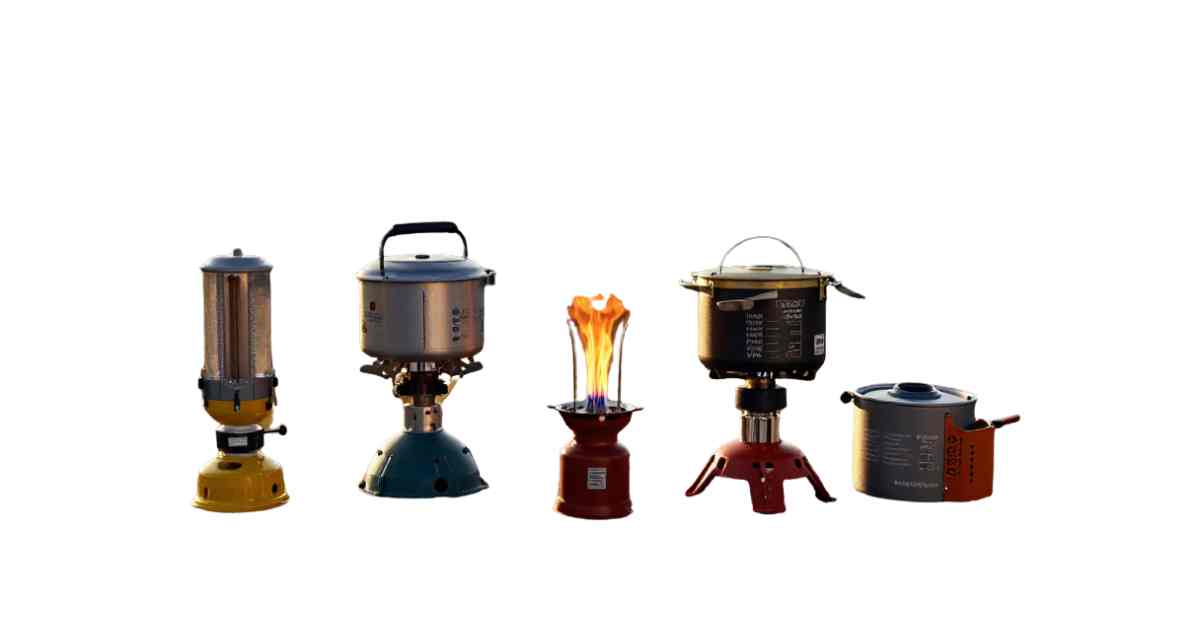
Types Of Camping Stoves
Camping stoves come in different types. Each type suits different camping needs and environments. Choosing the right stove helps you cook easily and safely outdoors.
Understanding the main types of camping stoves makes your choice simple. Below are the most popular types you can find.
Canister Stoves
Canister stoves use small gas canisters filled with propane or butane. They are light and easy to use. These stoves ignite quickly and offer good heat control. Perfect for short trips and casual camping. Canister stoves work best in mild weather.
Liquid Fuel Stoves
Liquid fuel stoves burn fuels like white gas or kerosene. They are strong and perform well in cold or high-altitude conditions. These stoves take longer to start but last a long time. Good for longer trips or harsh weather camping. Liquid fuel stoves need more care and cleaning.
Alternative Fuel Options
Alternative fuel stoves use wood, alcohol, or solid fuel tablets. Wood stoves let you use natural materials around you. Alcohol stoves are simple and quiet but have less power. Solid fuel tablets are lightweight and easy to carry. These options suit campers who want low weight or no gas canisters.
Key Features To Consider
Choosing the right camping stove depends on several important features. These features affect how well the stove works and how easy it is to carry. Knowing what to check helps pick a stove that fits your camping needs. Focus on weight, boil time, and burner performance to start.
Weight And Portability
Weight matters most for backpackers. A light stove is easier to carry on long hikes. Small stoves fit better in backpacks and take less space. Portability also means how easy it is to set up and pack away. Look for stoves with compact designs and carry cases. These save time and effort during your trip.
Boil Time And Efficiency
Boil time shows how fast the stove heats water. Faster boil times save fuel and time. Efficiency means the stove uses fuel well without waste. A stove with good efficiency lasts longer on one fuel canister. Check product details for boil times and fuel use. Efficient stoves help keep your camping lighter and simpler.
Burner Performance
Burner performance affects cooking quality and control. A strong burner heats evenly and adjusts to low or high flames. This helps cook different meals well. Some stoves offer simmer control for delicate cooking. Good burner performance means steady heat even in wind or cold. Read reviews to find stoves with reliable burners.
Fuel Availability And Convenience
Choosing a camping stove involves more than just size and weight. Fuel availability and convenience play a key role in your outdoor cooking experience. A stove’s fuel type affects how easy it is to find fuel and how simple it is to use. Consider where you will camp and how often you plan to refuel. This guide helps you understand fuel types and refueling options on the trail.
Fuel Types And Compatibility
Camping stoves use several fuel types. Common options include propane, butane, white gas, and alcohol. Each fuel has pros and cons. Propane and butane come in canisters that are easy to use. White gas stoves offer strong heat but need careful handling. Alcohol stoves are lightweight but less powerful. Ensure your stove matches the fuel you can find in your camping area. Some stoves work with multiple fuels, offering flexibility.
Refueling Options On The Trail
Refueling convenience affects your trip length and ease. Canister fuels like propane and butane are simple to swap. Carry spare canisters for longer trips. Liquid fuels like white gas require careful refilling and storage. Find fuel containers that seal tightly to avoid spills. Alcohol stoves need small bottles, which are easy to carry but burn faster. Plan your fuel supplies based on trip duration and location. Always follow safety rules when refueling outdoors.
Cooking Needs And Stove Capacity
Choosing the right camping stove depends greatly on your cooking needs and the stove’s capacity. This factor affects how many meals you can prepare and how easily you cook outdoors. Understanding stove size and cooking style helps avoid carrying extra weight or running out of power.
Consider the number of people you will cook for and the types of meals you want. Simple meals need less stove power and space. Complex dishes require more burners and better control. Focus on what suits your trip best.
Single Vs Dual Burner Stoves
Single burner stoves are lightweight and easy to carry. They work well for solo campers or small groups. These stoves use less fuel and fit in small packs. Ideal for boiling water or cooking one dish at a time.
Dual burner stoves offer more cooking space. Perfect for families or larger groups. They allow cooking two dishes at once. Saves time and adds flexibility for different recipes. Heavier and bulkier, so better for car camping or base camps.
Simmering And Temperature Control
Good temperature control is essential for cooking variety. Stoves with simmering ability let you cook delicate foods. Keep sauces warm or cook rice without burning. Precise control improves meal quality and fuel efficiency.
Check stove knobs for easy adjustment. Some stoves have low and high heat settings. Others provide smooth control for gradual changes. Choose a stove that matches your cooking style and meal needs.
Durability And Weather Resistance
Durability and weather resistance are key factors when choosing a camping stove. A stove must withstand rough handling and harsh weather. This ensures it works well on every trip. A durable stove saves money and hassle over time.
Material Quality
Strong materials increase a stove’s lifespan. Stainless steel and aluminum resist rust and dents. Steel is heavier but very tough. Aluminum is light and still durable. Plastic parts should be heat-resistant and sturdy. Check for solid construction and quality welds.
Performance In Different Conditions
A good stove works well in wind, rain, and cold. Wind shields help keep flames steady outdoors. Some stoves have adjustable flames for simmering or boiling. Cold weather can slow fuel flow, so choose stoves designed for low temperatures. Test how quickly water boils in various conditions.
Budget And Value
Choosing a camping stove involves balancing your budget with the value you receive. Your stove should fit your spending limit without sacrificing important features. Understanding price ranges and long-term costs helps you make a smart choice. This section breaks down these aspects clearly.
Price Ranges
Camping stoves come in many price ranges. Budget models start around $20 and offer basic functions. Mid-range stoves, priced between $50 and $100, usually provide better fuel efficiency and durability. High-end stoves can cost over $150. They often include multiple burners, advanced controls, and lightweight materials. Decide what features matter most to you before setting your budget.
Long-term Cost Considerations
Think about the stove’s fuel type and availability. Some stoves use expensive fuel canisters, increasing ongoing costs. Others burn wood or liquid fuel, which may be cheaper or easier to find. Maintenance also affects long-term costs. Durable stoves need fewer repairs and last longer. Consider how often you camp. Frequent use justifies spending more for quality and fuel savings.
Frequently Asked Questions Of How to Choose the Best Camping Stove: A Buying Guide
What Type Of Camping Stove Suits Different Outdoor Trips?
Canister stoves work well for short trips. Liquid fuel stoves are best for cold, long trips.
How Important Is Stove Weight For Backpacking?
Lighter stoves save energy and space. Choose a stove that balances weight and durability.
What Fuel Type Is Safest And Easiest To Use?
Canister fuel is clean and simple. Liquid fuel needs more care but works in all weather.
How Do I Know The Stove’s Cooking Power?
Check BTU ratings and boil time. Higher BTU means faster cooking but may use more fuel.
Conclusion
Choosing the right camping stove makes your outdoor cooking easier. Think about stove type, weight, and fuel availability. A lightweight stove suits backpackers best. For family trips, larger stoves offer more cooking space. Check how fast it boils water and if it can simmer well.
Always match the stove to your camping style and needs. This guide helps you pick a stove that fits your adventures. Enjoy cooking outdoors with confidence and ease.


