Camping Safety: Essential Tips for a Safe Outdoor Experience
Key Takeaways
- Research the campsite and weather conditions before your trip
- Carry a first-aid kit and basic emergency supplies
- Store food properly to avoid attracting wildlife
- Follow fire safety rules and fully extinguish campfires
- Inform someone about your travel plan and return time
Camping can be one of the most rewarding ways to connect with nature and unwind from daily stress. But before you set up your tent and light your campfire, there’s one thing you need to focus on: your safety.
You want your outdoor adventure to be fun and memorable, not one filled with avoidable risks or emergencies. That’s why understanding essential camping safety tips is crucial. You’ll discover simple yet powerful steps to protect yourself and your loved ones while enjoying the great outdoors.
Keep reading to make sure your next camping trip is not only exciting but also safe and secure.
Plan Ahead
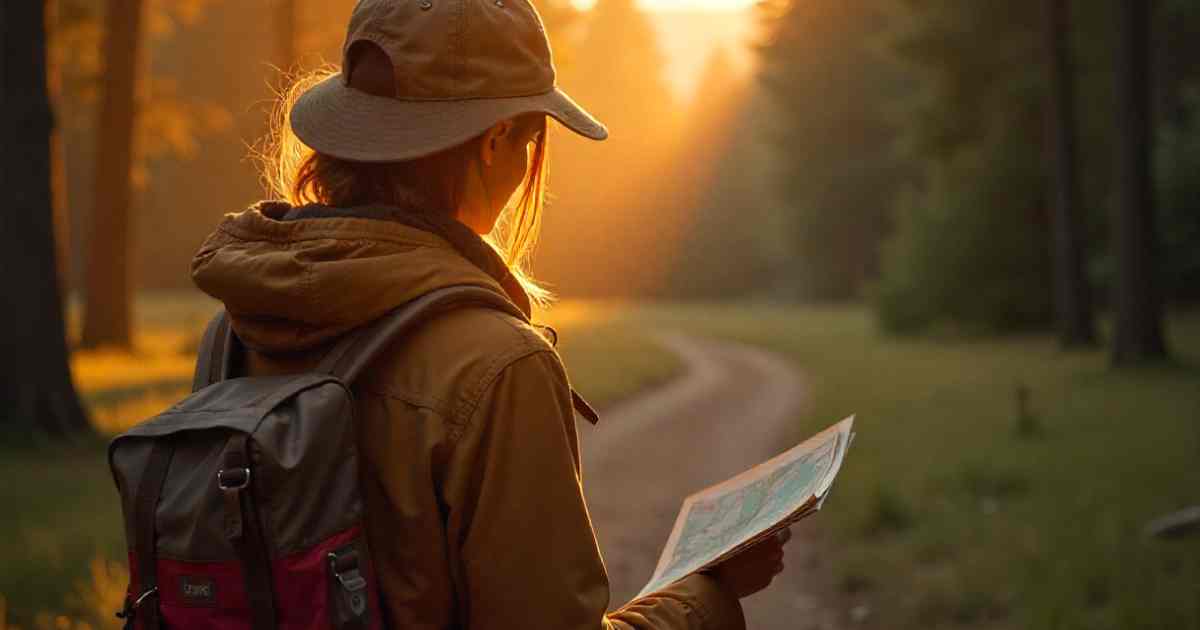
Planning ahead is the key to a safe and enjoyable camping trip. Taking time to prepare helps avoid surprises that could spoil your outdoor experience. It also ensures you are ready for various conditions. Smart planning reduces risks and boosts confidence in the wild.
Check Weather Forecasts
Always check the weather forecast before your trip. Knowing the conditions helps you pack the right gear and clothing. It also guides your choice of campsite and activities. Sudden storms or extreme temperatures can be dangerous. Stay updated on any weather changes during your camping days.
Research Local Wildlife
Learn about the animals that live near your campsite. Some wildlife may be curious or even aggressive. Knowing how to behave around animals lowers the chance of encounters. Store food securely to avoid attracting them. Understand which creatures are venomous or pose health risks.
Know Environmental Hazards
Identify any environmental dangers in the area. These might include poisonous plants, unstable terrain, or flood zones. Avoid setting up camp near cliffs or rivers prone to flash floods. Be aware of fire bans and local regulations. Understanding hazards helps you pick a safer spot and plan your routes.
Choose Safe Campsites
Choosing a safe campsite is key for a secure and enjoyable camping trip. A safe spot protects you from natural dangers and wildlife. It also helps you stay comfortable and dry during your stay. Follow these tips to find the best place for your tent or camper.
Select High Ground
Always pick a campsite on high ground. This helps avoid water pooling around your tent. Rain can flood low areas quickly. High ground stays drier and safer during storms. It also offers better air flow, which keeps bugs away.
Avoid Flood-prone Areas
Stay away from valleys, riverbanks, and low spots. These places flood easily after rain. Floods can ruin your gear and put you in danger. Look for flat, stable ground that does not collect water. Check the area for signs of past flooding.
Keep Distance From Wildlife
Do not camp near animal trails or food sources. Wildlife can be curious or aggressive if you are too close. Store food in sealed containers and keep it away from your tent. Respect animals’ space to avoid unexpected encounters.
Manage Fire Risks
Fire is a common part of camping but poses serious risks. Managing fire risks protects you and the environment. Careful planning and actions keep your campsite safe and enjoyable.
Set Up Fire Safely
Choose a clear area free of dry leaves and grass. Build your fire pit using rocks or a metal ring. Keep the fire small and controlled. Always have water or a shovel nearby to put out sparks.
Use Flame-retardant Tent Materials
Select tents made from flame-retardant fabrics to reduce fire hazards. Place your tent far from the fire, at least 15 feet away. Avoid hanging flammable items like towels or clothing near the fire.
Extinguish Fires Completely
Pour water slowly over the fire, stirring ashes with a stick. Make sure all embers are wet and cool to the touch. Never leave a fire unattended until fully extinguished. Check the area carefully before sleeping or leaving the site.
Pack Essential Safety Gear
Packing the right safety gear is vital for a secure camping trip. It prepares you for unexpected situations and keeps you comfortable outdoors. Carrying essential items helps avoid injuries and makes navigation easier. Protection from sun and insects also prevents common outdoor health issues.
First Aid Kit Essentials
A well-stocked first aid kit is a must-have. Include bandages, antiseptic wipes, and adhesive tape. Pack pain relievers and allergy medicine. Add tweezers for splinters and scissors for cutting bandages. Keep supplies organized in a waterproof container. Check your kit before each trip to replace used or expired items.
Navigation Tools
Navigation tools prevent getting lost in unfamiliar areas. Carry a map of the area and a reliable compass. A GPS device or smartphone with offline maps adds extra security. Learn to use these tools before your trip. Always have a backup in case batteries die or signals fail.
Sun And Insect Protection
Protect your skin from harmful sun rays with sunscreen. Choose a broad-spectrum SPF 30 or higher. Wear a wide-brimmed hat and sunglasses for added defense. Insect repellent keeps bugs and ticks away. Use one with DEET or natural alternatives. Cover exposed skin with long sleeves and pants during peak insect hours.
Practice Food Safety
Food safety is key to a pleasant camping trip. Proper handling keeps you healthy and protects the environment. Spoiled or contaminated food can cause sickness and ruin your adventure. Follow simple steps to keep your food fresh and safe during your outdoor experience.
Store Food Properly
Use airtight containers to keep food fresh and dry. Store perishable items in a cooler with plenty of ice. Check ice regularly and replace it to maintain cold temperatures. Keep raw meat separate from other foods to avoid cross-contamination. Seal all food tightly to prevent spills and odors. Store food off the ground to avoid dirt and insects. Use bear-proof containers where required by local rules.
Avoid Attracting Wildlife
Keep food away from your sleeping area. Cook and eat meals at a distance from your tent. Clean cooking utensils and dishes immediately after use. Dispose of food scraps in designated bins or pack them out. Avoid strong-smelling foods that attract animals. Never leave food unattended outside. Store trash in sealed bags or containers to reduce odors. These steps help keep wildlife safe and your camp peaceful.
Stay Hydrated And Alert
Staying hydrated and alert is vital for a safe camping experience. Water fuels your body and keeps your mind sharp. Outdoor activities can drain your energy quickly. Drinking enough water helps maintain strength and focus. Being alert reduces risks and prevents accidents. Knowing how to spot heat illness signs is crucial in warm weather.
Drink Plenty Of Water
Carry enough water for your entire trip. Sip water regularly, not just when thirsty. Thirst is a late sign of dehydration. Avoid sugary or caffeinated drinks as they can dehydrate you. Use a reusable water bottle with a filter if possible. Drinking water keeps your body temperature stable. It also supports your muscles and joints during hikes.
Recognize Signs Of Heat Illness
Heat illness can affect anyone outdoors. Watch for symptoms like headache, dizziness, or weakness. Nausea and excessive sweating are also warning signs. If you feel confused or faint, act immediately. Move to a shaded area and rest. Drink water slowly to rehydrate. Heat cramps may cause muscle pain or spasms. Taking breaks and cooling down can prevent heat stroke.
Frequently Asked Questions Of Camping Safety: Essential Tips for a Safe Outdoor Experience
What Are The Basic Safety Tips For Camping Beginners?
Choose a safe campsite, inform someone of your plans, and pack a first aid kit.
How Can I Prevent Wildlife Encounters While Camping?
Store food securely, avoid feeding animals, and keep a clean campsite.
What Should I Do To Stay Safe Around Campfires?
Keep fires small, never leave them unattended, and fully extinguish before sleeping.
How Do I Prepare For Sudden Weather Changes Outdoors?
Check weather forecasts, bring waterproof gear, and have an emergency plan ready.
Conclusion
Camping safely makes your outdoor trip more fun and worry-free. Always prepare by checking weather and packing a first aid kit. Keep your campsite clean and store food properly to avoid wildlife encounters. Remember to build fires carefully and never leave them unattended.
Stay alert and respect nature’s rules for a safe experience. These simple steps protect you and the environment. Enjoy your adventure with confidence and care.


