Wildlife Encounters: What to Do If You See a Bear
- Key Takeaways
- Types Of Bears You Might Encounter
- Signs A Bear Feels Threatened
- Safe Actions When Spotting A Bear
- Responding To Black Bear Encounters
- Handling Brown Or Grizzly Bear Encounters
- Essential Bear Safety Tips
- Frequently Asked Questions Of Wildlife Encounters: What to Do If You See a Bear
- Conclusion
Key Takeaways
- Stay calm and avoid running, as sudden movement can trigger a chase
- Speak calmly and slowly back away while keeping the bear in sight
- Make yourself look larger by raising your arms or standing tall
- Never approach or feed the bear, even if it seems calm
- If it’s a black bear, make noise to show you’re not prey; if it’s a grizzly, stay quiet and slow
- Carry bear spray and use it only if the bear approaches aggressively
Imagine you’re hiking through a peaceful forest, surrounded by the sounds of nature, when suddenly you spot a bear nearby. Your heart races, and a thousand questions flood your mind: What should you do?
Should you run, freeze, or try to scare it away? Knowing how to react in this moment can make all the difference between staying safe and facing danger.
You’ll discover clear, easy-to-follow steps that experts recommend for handling bear encounters.
Whether you’re an avid outdoors lover or just planning a day trip, understanding these tips will give you confidence and keep you prepared when you’re face-to-face with one of nature’s most powerful creatures. Keep reading—your safety could depend on it.
Types Of Bears You Might Encounter
Encountering a bear in the wild can be a startling experience. Knowing the types of bears you might meet helps you stay calm and safe. Different bears behave differently and live in various areas. This section highlights the main bear species you could see during your wildlife adventures.
Black Bears
Black bears are the most common bears in North America. They vary in color from black to brown or even blonde. These bears prefer forests and often search for food near campsites. Black bears are usually shy and try to avoid humans. They are good climbers and swimmers. If you see one, stay calm and back away slowly.
Brown Bears (grizzly Bears)
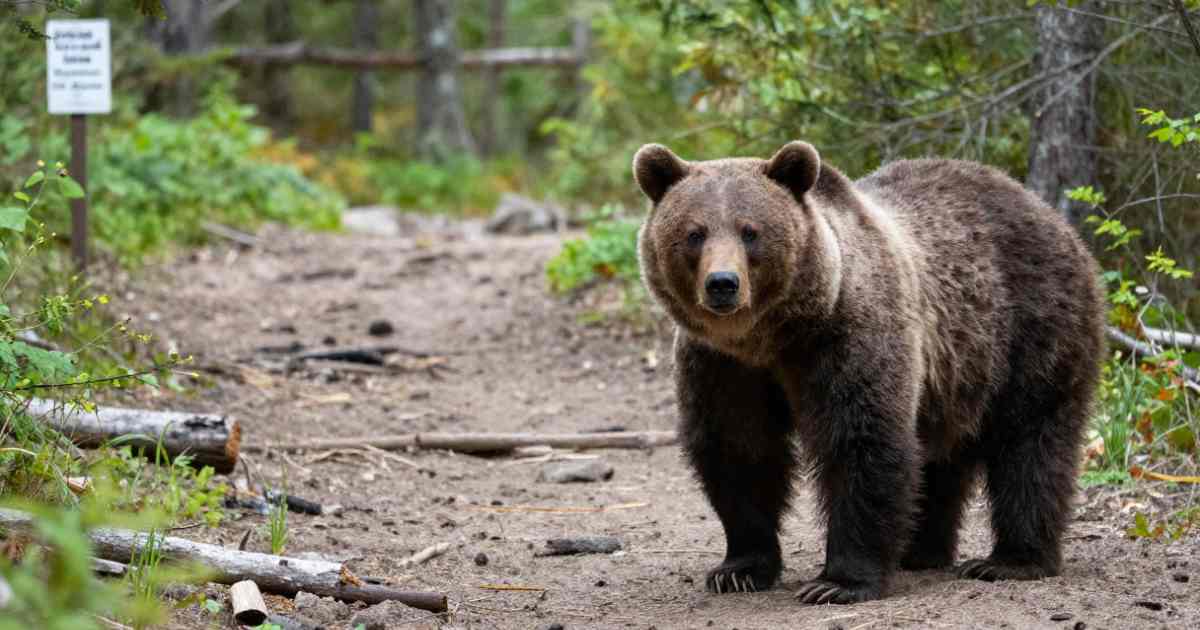
Brown bears, also called grizzly bears, are larger and more powerful than black bears. They have a distinct hump on their shoulders. Brown bears live mostly in Alaska, western Canada, and parts of the northwestern United States. They can be more aggressive, especially if surprised or protecting cubs. Keep your distance and never run from a brown bear.
Polar Bears
Polar bears live in Arctic regions and are the largest land carnivores. They have thick white fur to blend with the snow and ice. Polar bears are strong swimmers and hunters. Encounters with polar bears are rare unless you are in the far north. These bears can be very dangerous, so avoid any close contact.
Signs A Bear Feels Threatened
Bears communicate clearly when they feel threatened. Understanding these signs can keep you safe during a wildlife encounter. Recognizing bear behavior helps you react calmly and avoid danger.
Watch closely for changes in the bear’s posture, sounds, and movements. These clues show the bear’s mood and intentions. Acting quickly based on these signs can prevent an attack.
Raised Hair And Hunched Posture
A bear that feels threatened often raises the hair on its back. This makes the bear appear larger and more intimidating. The bear may also hunch its body and lower its head. These signs warn you to stay calm and back away slowly.
Huffing And Jaw Popping Sounds
Bears use sounds to show discomfort or warning. Loud huffing noises or popping sounds made by snapping their jaws are common signs. These sounds mean the bear wants you to leave its space immediately.
Swatting The Ground
Swatting or slapping the ground is a clear threat display. It signals the bear’s irritation and readiness to defend itself. Avoid sudden movements and maintain a safe distance if you see this behavior.
Direct Staring And Charging
A bear staring directly at you can feel threatened or curious. If the bear starts a slow charge, it is testing your reaction. Stand your ground without running, and use calm, firm voices to show you are not a threat.
Safe Actions When Spotting A Bear
Spotting a bear in the wild can be a tense moment. Knowing the right steps can keep you and the bear safe. Staying calm helps you think clearly and avoid sudden moves.
Understanding safe actions helps reduce the chance of an aggressive encounter. Bears usually want to avoid people. Respecting their space and behavior is key.
Stay Calm And Avoid Sudden Movements
Keep your body relaxed and breathe slowly. Do not run or make quick moves. Sudden actions might startle the bear or trigger a chase response. Speak softly to let the bear know you are human.
Do Not Approach Or Corner The Bear
Keep a safe distance at all times. Do not try to get closer for a better look or photo. Bears feel threatened if they have no escape route. Give the bear plenty of room to move away.
Back Away Slowly Without Turning Your Back
Move slowly and sideways, not directly backward. This motion looks less threatening to the bear. Keep your eyes on the bear but avoid direct eye contact. Direct staring can be seen as a challenge.
Make Yourself Look Bigger And Speak Calmly
Raise your arms or hold your jacket open. This makes you appear larger and more intimidating. Use a calm, firm voice to talk to the bear. This shows you are not prey and helps prevent confusion.
Prepare Your Bear Spray
Keep your bear spray ready but do not use it unless the bear approaches aggressively. Bear spray can stop a charging bear safely. Practice removing and aiming the spray before your trip.
Responding To Black Bear Encounters
Responding to black bear encounters requires calm and clear actions. Black bears usually avoid people but can act defensively if surprised or threatened. Knowing how to react can keep you safe and prevent harm to the bear.
Black bears often bluff before attacking. They may make popping sounds or swat the ground. These signs mean the bear feels threatened. Stay calm and prepare to respond carefully.
Stay Calm And Avoid Running
Do not run from a black bear. Running may trigger the bear’s chase instinct. Stand still and keep your eyes on the bear without staring directly. Take slow steps backward if the bear is not approaching.
Make Yourself Appear Larger
Raise your arms or open your jacket wide. Speak in a calm, firm voice to show you are human. This can make the bear hesitate and feel less curious or threatened.
Use Bear Spray If Necessary
Carry bear spray in bear country. If the bear approaches within close range, use the spray. Aim for the bear’s face to stop it from coming closer. Bear spray is effective and non-lethal.
Fight Back If Attacked
Black bears rarely attack without reason. If one attacks, defend yourself with all your strength. Use any object available to hit the bear’s face and muzzle. Fighting back can stop the attack and save your life.
Handling Brown Or Grizzly Bear Encounters
Encounters with brown or grizzly bears demand careful and calm actions. These bears are powerful and can be dangerous if provoked. Knowing how to behave helps reduce risk and keep you safe.
Stay Calm And Avoid Sudden Movements
Keep calm and do not run or scream. Sudden moves may trigger a chase. Speak softly to show you are not a threat. Avoid direct eye contact, which the bear may see as a challenge.
Back Away Slowly
Move backward slowly without turning your back on the bear. Give the bear space to leave. Do not approach or try to feed it. Stay alert and watch the bear’s behavior.
Use Bear Spray If Necessary
Carry bear spray in bear country and know how to use it. If the bear approaches aggressively, spray when it is within 20 feet. Aim for the face to create a strong deterrent.
Play Dead During A Defensive Attack
If the bear makes contact during a defensive attack, lie flat on your stomach. Cover your neck with your hands and remain still. Do not fight back. Stay quiet until the bear leaves.
Fight Back If Attacked As Predation
In rare cases of predatory attacks, protect yourself by fighting back. Use any object available to hit the bear’s face. Focus on defending yourself until the bear retreats.
Essential Bear Safety Tips
Encountering a bear in the wild can be a tense moment. Knowing essential bear safety tips helps keep both you and the bear safe. These tips focus on how to stay calm, avoid panic, and react correctly. Each action can prevent an encounter from turning dangerous.
Stay Calm And Avoid Sudden Movements
Keep your breathing steady and your voice soft. Do not scream or run. Sudden moves can trigger a bear’s chase instinct. Move slowly and steadily to show you are not a threat.
Identify Yourself Clearly
Speak calmly and firmly to the bear. This lets the bear know you are human. Avoid direct eye contact, which can be seen as a challenge. Waving your arms slowly helps you appear larger.
Back Away Slowly
Do not turn your back on the bear. Move backward in a slow, steady way. This shows you want to leave without threatening the bear. Keep your eyes on the bear’s body, not the eyes.
Carry And Use Bear Spray
Bear spray can stop a bear from coming closer. Always carry it when hiking in bear country. Learn how to use it before your trip. Use spray only if the bear approaches within close range.
Know When To Play Dead Or Fight Back
For brown bears, lie flat on your stomach. Cover your neck and remain still. This shows you are not a threat. For black bears, fight back if attacked. Use any object to defend yourself.
Frequently Asked Questions Of Wildlife Encounters: What to Do If You See a Bear
What Should I Do If I See A Bear In The Wild?
Stay calm and speak softly to identify yourself. Slowly back away without making eye contact. Use bear spray if it approaches. For brown bears, play dead if attacked. For black bears, fight back aggressively. Never run or yell. Keep noise to avoid surprising bears.
Should You Clap If You See A Bear?
Clap loudly to alert a bear of your presence and avoid surprising it. Do not run or approach. Stay calm and back away slowly.
What Should You Not Do If You Encounter A Bear?
Do not run or turn your back on the bear. Avoid direct eye contact and never scream. Don’t make sudden movements or approach the bear. Do not play dead with black bears. Avoid provoking or feeding the bear. Stay calm and back away slowly.
What Is The 3 Bear Rule?
The 3 bear rule advises: If a black bear attacks, fight back; if a brown bear attacks, play dead; if a polar bear attacks, escape immediately.
Conclusion
Bear encounters demand calm and clear actions to stay safe. Avoid sudden moves and loud noises that may provoke the bear.
Speak softly and slowly back away without turning your back. Know the difference between black and brown bear responses.
Carry bear spray and use it only if the bear approaches aggressively. Respect wildlife and keep a safe distance on trails.
Staying informed and prepared helps protect both you and the bears. Remember, patience and caution can prevent dangerous situations in the wild.
Stay alert, stay calm, and enjoy nature responsibly.


