Camping Cooking Hacks: Tips to Make Mealtime Easier
Key Takeaways
- Prep and pre-chop ingredients at home to save time at the campsite
- Use foil packets to cook full meals with minimal cleanup
- Bring multi-use tools like a spork, pot, and pan to reduce gear
- Keep spices in small containers or pill organizers for easy seasoning
- Freeze meats beforehand so they stay fresh longer in the cooler
- Rely on one-pot meals like soups or stir-fries for quick cooking
- Clean pots immediately to avoid hardened food and attract less wildlife
Camping meals don’t have to be a hassle. Imagine enjoying tasty food without the stress of complicated gear or messy cleanups.
With the right cooking hacks, you can save time, reduce waste, and make every bite more satisfying. Whether you’re a beginner or a seasoned camper, these simple tips will change the way you cook outdoors. Ready to make your next camping mealtime easier and more enjoyable?
Keep reading and discover easy hacks that will transform your cooking experience.
Meal Planning Tips
Meal planning makes camping mealtime smooth and stress-free. A good plan helps save time and reduces waste. It also ensures everyone enjoys tasty, well-balanced meals.
Start with simple, easy-to-cook recipes. Choose meals that share ingredients to pack less. Think about your cooking tools and campfire setup while planning.
Choose Easy-to-prepare Recipes
Select recipes with few ingredients and simple steps. One-pot meals, wraps, and salads work great. Avoid dishes that need many spices or long cooking times.
Plan For All Meals
List breakfast, lunch, dinner, and snacks. Include quick options for busy or tired days. Pack some no-cook items like nuts, fruits, and granola bars for snacks.
Use Pre-packaged And Pre-cut Ingredients
Save time by chopping veggies and marinating meat before camping. Pack pre-cooked rice or pasta in sealed bags. This cuts cooking time and effort.
Pack Smart And Keep Food Fresh
Use airtight containers and ziplock bags to store food. Freeze meats and freeze them again in a cooler to keep cold. Organize food by meal to find items quickly.
Consider Portion Sizes And Leftovers
Estimate how much each person will eat to avoid waste. Plan meals that can be used again or turned into new dishes. Leftover chili can become a tasty soup the next day.
Smart Food Storage
Smart food storage can make camping meals easier and more enjoyable. It keeps food fresh and organized. This helps save space and reduces waste. Proper storage also protects food from wildlife and dirt.
Good storage means less mess and faster meal prep. It lets you focus on the fun, not cleaning or searching for ingredients.
Use Airtight Containers
Airtight containers keep food fresh longer. They stop moisture and bugs from spoiling your supplies. Use clear containers to see contents quickly. Stackable designs save space in your cooler or bag.
Label Everything
Labels help find food fast. Write the item and date on each package. This prevents confusion and food waste. Use waterproof markers or stickers for durability.
Separate Dry And Wet Foods
Keep dry foods away from wet ones to avoid sogginess. Store bread, snacks, and spices in sealed bags. Keep meats and fruits chilled in coolers or insulated bags.
Freeze Meals Ahead
Freeze meals in advance to save time at camp. Use foil trays with lids or freezer bags. Frozen meals thaw slowly, staying safe and tasty longer.
Use Stackable Bins
Stackable bins organize ingredients and utensils neatly. Label each bin for quick access. This keeps your cooking area tidy and efficient.
Quick Prep Techniques
Preparing meals at a campsite can be stressful without the right techniques. Quick prep methods save time and reduce mess. These simple tricks help you spend less time chopping and more time enjoying nature.
Pre-chop And Store Ingredients
Chop vegetables and meat before your trip. Use airtight containers or resealable bags. This keeps ingredients fresh and ready to cook. Pre-chopping also makes meal assembly much faster.
Use One-pot Recipes
Choose meals that cook in one pot or pan. This reduces the number of dishes to wash. One-pot meals often require less prep, making cooking simpler and quicker.
Marinate In Advance
Marinate your meat or veggies the night before. This enhances flavor and tenderizes food. Pack marinated items in sealed bags and keep them cool until cooking.
Pre-measure Spices And Sauces
Measure spices and sauces before your trip. Store them in small containers or zip bags. This avoids fumbling with bottles while cooking outdoors.
Use Pre-cut Frozen Vegetables
Bring frozen vegetables that are already cut. They save chopping time and stay fresh longer. Frozen veggies also cook quickly over the campfire or stove.
Simple Cooking Gear
Simple cooking gear can make camping meals easier and more enjoyable. Choosing the right tools saves time and reduces mess. It also helps keep your cooking setup light and portable. Focus on gear that is easy to clean and versatile. This way, you can cook a variety of meals without carrying heavy equipment.
Compact items that serve multiple purposes work best. Prioritize durable materials that handle outdoor conditions well. Avoid gear with many small parts that can get lost. The goal is to simplify cooking, not complicate it.
Lightweight Cookware Sets
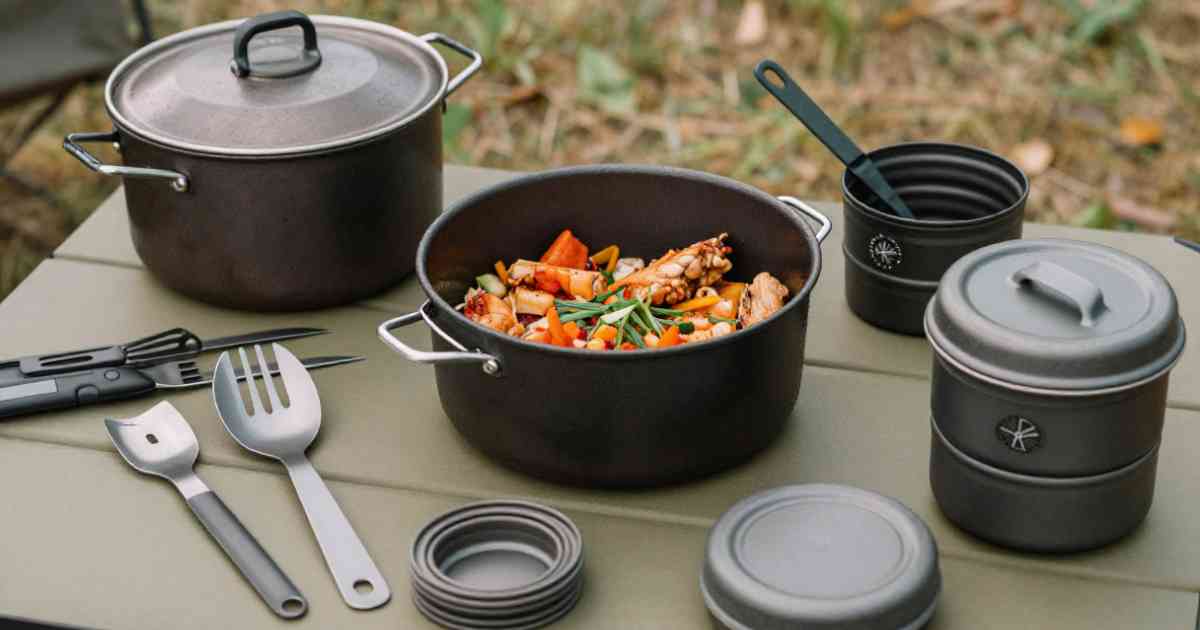
Lightweight cookware sets are perfect for camping. They usually include pots, pans, and lids that nest together. These sets save space in your backpack or car. Look for materials like aluminum or titanium. They heat quickly and are easy to clean. Some sets even come with folding handles for better packing.
Portable Camping Stove
A portable camping stove provides reliable heat for cooking. Choose a compact model that runs on small fuel canisters. It should ignite easily and have adjustable flame control. This helps cook different foods without burning. A sturdy base prevents the stove from tipping over. Many models fold flat for easy transport.
Multi-use Utensils
Multi-use utensils reduce the number of tools you carry. Spork designs combine spoon, fork, and sometimes knife functions. Some have serrated edges for cutting. Look for utensils made from durable plastic or lightweight metal. They are easy to clean and won’t rust. This type of gear keeps your cooking kit simple and efficient.
No-cook Meal Ideas
No-cook meals save time and reduce cleanup during camping trips. They keep food preparation simple and fast. These meals work well on hot days or when you want to relax.
Using fresh ingredients and ready-to-eat items makes mealtime easy. You can enjoy tasty, nutritious food without a stove or fire. No-cook meals are perfect for beginners and kids.
Fresh Veggie And Hummus Wraps
Use tortillas or flatbreads for quick wraps. Spread hummus evenly over the bread. Add sliced cucumbers, carrots, bell peppers, and lettuce. Roll tightly and cut in half. These wraps are crunchy and filling.
Cold Pasta Salad
Cook pasta before the trip and chill it. Mix pasta with cherry tomatoes, olives, and cheese cubes. Add a drizzle of olive oil and Italian seasoning. Serve cold for a refreshing meal.
Fruit And Nut Snack Packs
Combine dried fruits like apricots and raisins with nuts. Include almonds, walnuts, or cashews. Pack in small bags for easy snacking. This mix provides energy and tastes great.
Instant Oatmeal Bowls
Use instant oats that only require water. Add hot or cold water to the oats in a bowl. Mix in dried fruits, nuts, or honey for flavor. This meal is quick and warms you up.
Cheese And Crackers Platter
Bring a variety of cheeses and your favorite crackers. Add sliced deli meats and pickles for extra taste. Arrange on a plate for a simple, no-cook dinner. Easy to prepare and satisfying.
Easy Cleanup Hacks
Cleaning up after a meal outdoors can feel like a chore. Easy cleanup hacks save time and keep your campsite tidy. These simple tips reduce mess and make packing up quicker. Spend less time scrubbing and more time enjoying nature.
Use Foil For Mess-free Cooking
Wrap food in aluminum foil before cooking. This keeps pots and pans clean. After eating, just throw away the foil. No scrubbing needed. Foil packets also help cook food evenly and lock in flavor.
Bring Biodegradable Soap And Sponges
Choose eco-friendly soap to protect the environment. Use small sponges or scrubbers for easy washing. Biodegradable soap breaks down quickly in nature. Always wash dishes away from water sources to avoid pollution.
Line Your Cooking Gear
Place parchment paper or reusable silicone liners in pans. This stops food from sticking. Cleanup becomes a breeze. You can reuse silicone liners many times, cutting down on waste.
Use Disposable Plates And Utensils
Opt for compostable plates and cutlery. They save washing time and reduce weight in your bag. After meals, toss them in a trash bag. Choose products that break down naturally in the landfill.
Pre-measure And Prep Ingredients
Measure and cut ingredients at home. Store them in sealed containers or bags. This limits spills and mess at the campsite. Prepping ahead makes cooking faster and cleanup easier.
Frequently Asked Questions Of Camping Cooking Hacks: Tips to Make Mealtime Easier
What Are Essential Camping Cooking Hacks For Beginners?
Use pre-chopped veggies, foil packets, and freeze meals to save time and effort.
How Can I Keep Food Fresh Without A Camping Fridge?
Store food in coolers with ice packs and keep them in the shade.
What Are Easy No-cook Camping Lunch Ideas?
Try sandwiches, wraps, nuts, fruits, and ready-to-eat snacks for quick meals.
How To Simplify Cleaning After Cooking Outdoors?
Use disposable plates, line pans with foil, and bring biodegradable wipes.
Conclusion
Camping cooking becomes simple with smart tips and easy hacks. Plan meals ahead to save time and stress. Use simple tools and pack ingredients wisely. Try prepping meals before your trip for quick cooking. Keep your cooking area clean and organized always.
Enjoy tasty food without extra effort outdoors. These tricks make camping meals fun and hassle-free. Remember, good preparation leads to better camping experiences. Keep experimenting and find what works best for you. Happy camping and enjoy every meal under the sky!


