Understanding Campground Reservations: Tips for Booking
Key Takeaways
- Book early, especially for popular parks and peak seasons
- Check whether the campground uses first-come, first-served or online reservations
- Review site details like size, amenities, and RV or tent compatibility
- Look for cancellation policies and fees before confirming
- Use alerts or waitlists to grab spots when others cancel
- Be flexible with dates or nearby campgrounds to improve your chances
- Double-check check-in rules and required permits before your trip
Planning your perfect camping trip starts with securing the right spot — but understanding campground reservations can feel confusing. You might wonder when to book, how to choose the best site, or what those reservation codes really mean.
Don’t worry, this guide is here to make it simple. By learning a few insider tips, you’ll gain the confidence to book your ideal campsite without stress. Keep reading to discover how you can turn your next outdoor adventure into a smooth, unforgettable experience.
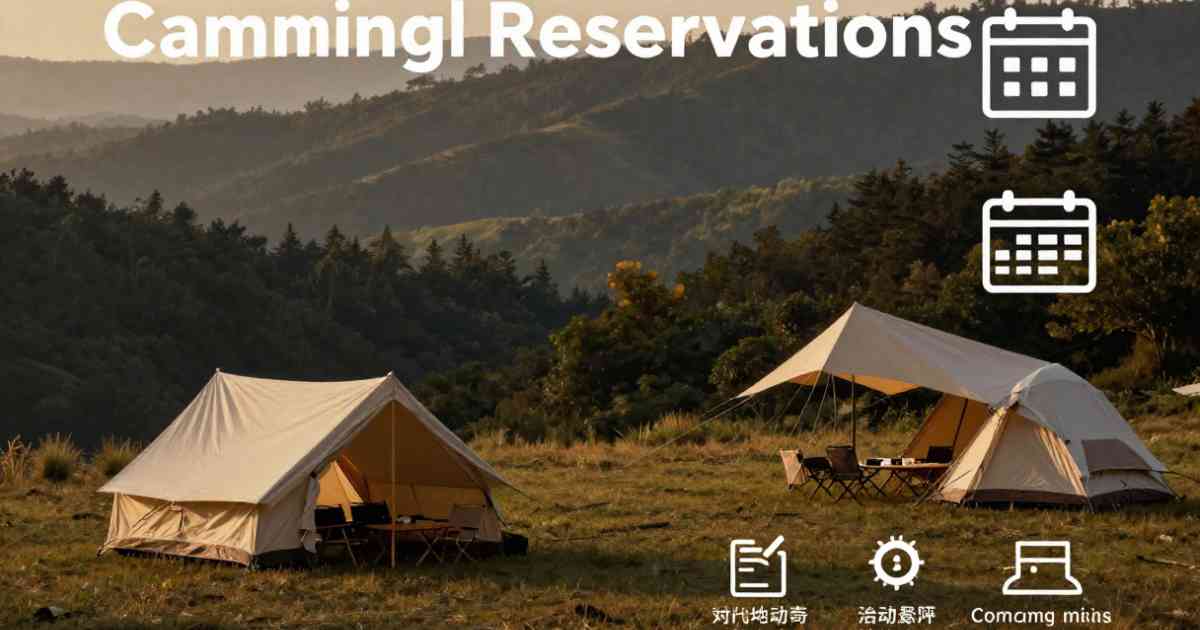
Choosing Campsite Location
Choosing the right campsite location is crucial for a comfortable and safe camping experience. The location affects how well you sleep, stay dry, and enjoy your time outdoors. Careful selection can prevent common problems like flooding, noise, and safety risks. Consider key factors such as terrain, water access, safety, and privacy before making a reservation.
Terrain And Ground Conditions
Select flat and firm ground for your tent. Avoid rocky areas or spots with many roots. A level site makes sleeping easier and keeps your tent stable. Check the soil to ensure it is not too soft or muddy. Good ground conditions reduce discomfort and protect your gear from damage.
Water Access And Drainage
Choose a site near a clean water source, but not too close. Staying too near water can lead to bugs and flooding. Avoid low areas that collect rainwater. Look for signs of past flooding like damp soil or erosion. Proper drainage keeps your campsite dry and comfortable during rain.
Safety And Hazards
Inspect the area for hazards like dead branches or unstable trees. These can fall and cause injury. Avoid camping under loose limbs or near steep slopes. Check for wildlife signs and be aware of local dangers. Prioritize your safety by selecting a hazard-free site.
Privacy And Nearby Activities
Pick a site with enough space from other campers for privacy. A quiet spot helps you relax and enjoy nature. Consider how close the site is to trails, fishing spots, or other activities. A convenient location allows easy access without disturbing your rest. Privacy and access improve your overall camping experience.
Reservation Types
Understanding the different types of campground reservations helps you plan better. Campgrounds offer various ways to secure a spot. Knowing these types ensures you pick the best option for your trip. It also avoids surprises at the campsite.
Reservation types usually fall into three groups. Each type has its own rules and availability. Some require booking early, while others are open to anyone arriving first.
First-come, First-serve Sites
These sites do not require advance booking. Campers arrive and claim a spot if it is free. It works best for flexible travelers who can arrive early. Be aware these sites can fill quickly, especially on weekends. Arriving late may mean no available space.
Advanced Booking Options
Many campgrounds allow you to book sites before arrival. This option guarantees a spot on your chosen date. Bookings usually open months ahead and fill fast. Use official websites or apps to reserve. Advanced booking is ideal for busy seasons and popular parks.
Walk-up Availability
Some campgrounds save a few sites for walk-up campers. These spots are released daily, often in the morning. Arrive early to have a chance at these sites. Walk-up availability suits spontaneous travelers. It requires flexibility and readiness to camp elsewhere if full.
Booking Strategies
Booking campground reservations needs smart planning. Good strategies make your trip smooth. Knowing when and how to book saves time and stress.
Use a clear approach to secure your spot. This section shares tips on key dates, websites, and apps. These help you book faster and easier.
Key Reservation Dates
Every campground has important booking dates. These include when reservations open and deadlines. Mark these dates on your calendar.
Booking early increases your chance of getting a good site. Some popular spots fill up within minutes. Check the park’s official schedule to avoid missing out.
Using Official Websites
Official websites are the safest place to book campsites. They offer real-time availability and accurate prices. Avoid third-party sites that may charge extra fees.
Use the site’s filters to find campsites by date, size, and amenities. Book directly to ensure your reservation is confirmed without problems.
Mobile Apps And Alerts
Mobile apps from official campground services offer quick booking access. They send alerts about openings and cancellations. Set notifications to act fast on new spots.
Apps also let you manage your booking on the go. Use them to change or cancel reservations easily. This flexibility helps you adjust plans if needed.
Rules And Regulations
Understanding the rules and regulations of campground reservations is key to a smooth camping trip. Every campground has specific policies designed to protect nature and ensure safety. Following these rules helps preserve the environment for future visitors. It also avoids fines or being asked to leave the site.
Park-specific Policies
Each park sets its own rules based on local conditions. These may include quiet hours, pet policies, and fire regulations. Some parks limit the number of people per site. Check the park’s official website or contact the ranger station for details. Knowing these rules before booking prevents surprises during your stay.
Vehicle And Tent Restrictions
Campgrounds often have limits on vehicle size and the number of tents allowed. Large RVs may not fit in small sites. Some sites only allow one tent per reservation. These restrictions protect the land and keep campsites safe. Always measure your vehicle and tents before booking to ensure they meet the rules.
Permits And Fees
Many campgrounds require permits for camping, parking, or fires. Fees vary by location and season. Some sites charge extra for additional vehicles or guests. Permits help manage visitor numbers and maintain facilities. Pay all fees in advance to secure your reservation and avoid penalties.
Sleeping In Vehicles
Sleeping in vehicles is a popular option for many campers. It offers flexibility and comfort, especially when tents are not ideal. Many people choose to sleep in cars, vans, or RVs during their trips. Understanding the rules and safety tips can make this experience better. Here are some important points to consider before booking your spot.
Park Guidelines
Each campground has its own rules about sleeping in vehicles. Some parks allow overnight parking only in designated areas. Others may require specific permits for RVs or camper vans. It is important to check the campground’s website or call ahead. Following these rules helps avoid fines or being asked to leave. Respect quiet hours and waste disposal rules as well.
Safety Considerations
Safety is key when sleeping in vehicles. Park in well-lit, secure areas whenever possible. Lock all doors and keep windows closed or slightly cracked for ventilation. Avoid parking near cliffs or unstable ground. Keep a phone and emergency kit close. Let someone know your location. Check weather forecasts to avoid bad conditions that could affect your safety.
Alternative Options
If sleeping in a vehicle is not allowed or comfortable, consider other options. Some campgrounds offer cabins or yurts for rent. Nearby motels or hostels can be a good choice too. Look for dispersed camping areas that permit vehicle camping outside developed sites. Planning ahead ensures a better stay without last-minute surprises.
Environmental Practices
Environmental practices play a key role in responsible camping. They help protect nature and keep campgrounds clean for everyone. Understanding these practices before booking a campground makes your trip safer and more enjoyable. Respecting nature also preserves the area for future visitors.
Leave No Trace Principles
Leave No Trace means camping without harming the environment. Pack out all trash, leftover food, and litter. Avoid disturbing plants, animals, and natural features. Campfires should be small and controlled, or use a stove. Follow all rules to keep the area pristine.
Using Established Campsites
Choose established campsites to reduce damage to the land. These sites already have clear boundaries and durable surfaces. Camping on new spots can harm plants and soil. Staying on marked sites helps prevent erosion and protects wildlife habitats.
Minimizing Impact
Minimize your impact by staying on trails and paths. Use biodegradable soap and dispose of waste properly. Avoid making loud noises that disturb wildlife. Limit group size to reduce wear on the environment. Small actions make a big difference in protecting nature.
Frequently Asked Questions Of Understanding Campground Reservations: Tips for Booking
What Is The 200 Rule For Camping?
The 200 rule for camping advises campers to stay at least 200 feet away from water sources to protect wildlife and prevent pollution. This distance helps preserve natural habitats and ensures clean water for everyone. Always respect this rule to minimize environmental impact while camping.
What Does Ff Mean In Campground Reservations?
FF in campground reservations means “First Come, First Serve. ” Sites labeled FF have no prior bookings and open to campers arriving without reservations. Always arrive early, as someone may have already claimed the site in person despite the FF status.
How To Choose The Right Campsite?
Choose a flat, well-drained site away from hazards like dead trees or flood zones. Ensure privacy, nearby activities, and follow campground rules. Select a spot with suitable sun or shade and use established campsites to protect the environment.
Can I Just Sleep In My Car At A Campground?
Most campgrounds allow sleeping in your car only if you have a paid reservation for a campsite. Always check specific campground rules before sleeping in your car, as some prohibit it or have restrictions. Following campground policies ensures a safe and legal stay.
Conclusion
Booking a campground spot does not have to be hard. Plan ahead and know your options well. Check campsite details like location and rules carefully. Reserve early to secure the best sites. Remember, some spots are first come, first served.
Stay flexible and have backup plans ready. Enjoy the outdoors and respect nature during your stay. Simple steps make camping trips smooth and fun.


