Planning a Multi-Day Backpacking Trip: Tips And Tricks
Key Takeaways
- Plan your route based on distance, elevation, and experience level
- Check weather forecasts and trail conditions in advance
- Pack lightweight, essential gear to avoid overloading
- Organize daily food portions and water sources carefully
- Set realistic daily hiking goals to prevent exhaustion
Planning a multi-day backpacking trip can feel overwhelming at first. You have so many questions: What gear do you really need?
How do you choose the right trail? How much can you carry without overloading yourself? If you’ve ever wondered how to make your adventure smoother and more enjoyable, you’re in the right place. This guide will give you simple, practical tips and tricks to help you plan every step of your trip with confidence.
By the end, you’ll know how to prepare smartly, avoid common mistakes, and focus on what really matters—enjoying your time in the great outdoors. Keep reading, and get ready to turn your backpacking dreams into reality.
Choosing The Right Trail
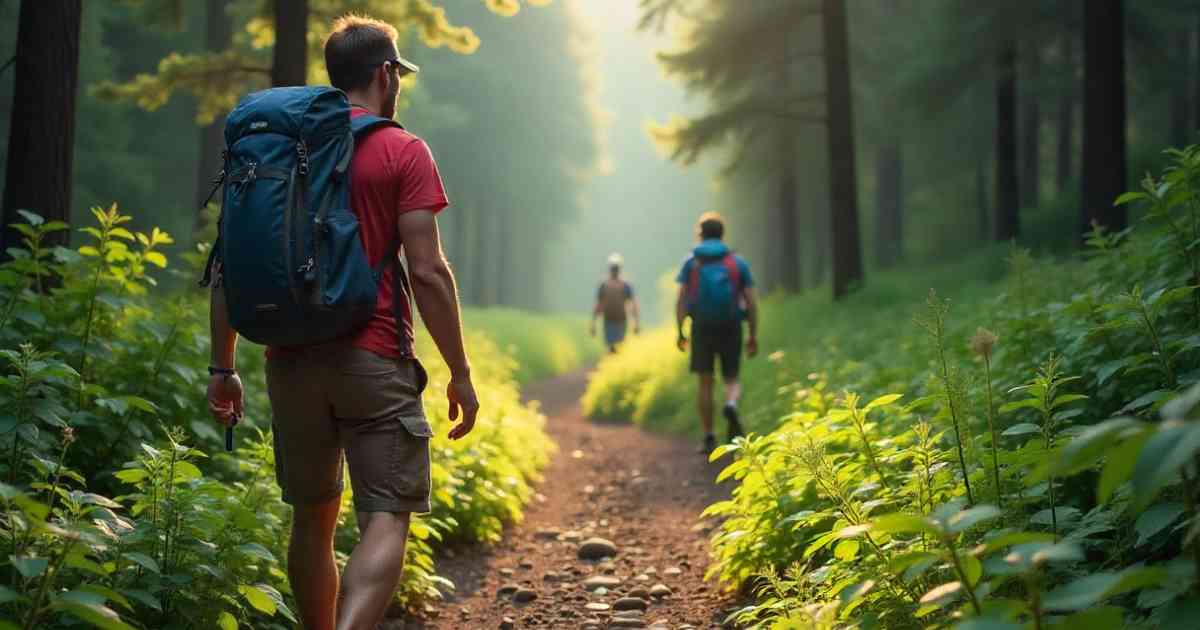
Choosing the right trail is the first step in planning a successful multi-day backpacking trip. The trail sets the tone for your adventure, affecting your safety, enjoyment, and overall experience. Picking a route that matches your skills and goals helps avoid surprises and stress during the hike.
Consider the trail’s difficulty, distance, and weather before you start packing. These factors guide your preparation and gear selection. Careful trail choice also keeps your trip fun and rewarding.
Assessing Difficulty And Terrain
Check how hard the trail is. Look at elevation changes and trail surface. Rocky, steep, or slippery paths are more challenging. Choose a trail that fits your fitness and skill level. Easy terrain is better for beginners. Experienced hikers may want tougher trails for a challenge.
Considering Distance And Duration
Think about how far you want to hike each day. Balance distance with how many days you can spend. Longer trails need more food and water. Shorter hikes let you move at a slower pace. Plan daily goals that feel doable and safe.
Researching Weather And Conditions
Check weather forecasts for your trail area. Rain, heat, or cold can change trail conditions quickly. Find out if the trail is open and safe to use. Look for recent reports of hazards like floods or fallen trees. Prepare for changes by packing suitable clothing and gear.
Packing Essentials
Packing is a crucial part of any multi-day backpacking trip. The right items keep you safe, comfortable, and prepared. Choose gear and supplies carefully to avoid carrying extra weight. Every ounce counts when hiking long distances.
Focus on essentials that serve multiple purposes. Think about the weather, terrain, and trip length. Organize your pack so you can access important items quickly. Proper packing boosts your energy and enjoyment on the trail.
Selecting Lightweight Gear
Choose gear made from light materials like aluminum or carbon fiber. Avoid bulky items that add unnecessary weight. Opt for compact sleeping bags and tents. Use a lightweight stove and cookware. Check each item’s weight before packing.
Test your gear to ensure durability and comfort. Lightweight does not mean weak. Balance weight with quality to avoid equipment failure. Pack only what you truly need for the trip.
Food And Water Planning
Bring high-calorie, easy-to-prepare foods. Dehydrated meals, nuts, and energy bars work well. Plan meals for each day. Carry just enough food to avoid extra weight. Keep food sealed to prevent spoilage and pests.
Water is essential. Know where to refill along your route. Carry a reliable water filter or purifier. Estimate daily water needs and plan accordingly. Avoid carrying too much water at once to lighten your load.
Clothing And Footwear Tips
Dress in layers to adapt to weather changes. Choose moisture-wicking fabrics to stay dry. Pack a lightweight rain jacket and insulating layers. Avoid cotton; it retains moisture and chills the body.
Select sturdy, well-fitting hiking boots with good ankle support. Break in your boots before the trip. Bring extra socks to prevent blisters. Include a hat and gloves for sun and cold protection.
Route Planning Strategies
Careful route planning helps make a multi-day backpacking trip safe and enjoyable. It sets the pace and defines where you will rest and find water. Good planning reduces surprises and keeps you prepared for the trail.
Mapping Your Daily Mileage
Start by setting daily distance goals that match your fitness and experience. Avoid planning too many miles in a day. Factor in the trail’s difficulty, weather, and elevation changes. Use maps and apps to estimate how far you can comfortably walk each day.
Break longer routes into manageable sections. This helps conserve energy and prevents injury. Adjust your daily mileage if you carry a heavy pack or face tough terrain. Keep some flexibility in your plan for rest or unexpected delays.
Identifying Campsites
Choose campsites that are safe and legal to stay overnight. Look for flat, dry ground away from hazards like cliffs or unstable soil. Pick spots with natural shelter from wind or sun if possible.
Plan your stops near water sources or scenic views for a better experience. Use guidebooks, trail maps, and online resources to find established campgrounds. Avoid camping too close to trails to maintain privacy and reduce impact on nature.
Water Source Locations
Mark all reliable water sources along your route. Streams, lakes, and springs are common options. Know the distance between them to carry enough water safely.
Check recent trail reports to confirm water availability. Dry seasons or droughts can limit sources. Always carry a water filter or purification tablets to avoid illness. Planning water stops helps keep you hydrated and energized.
Safety And Emergency Prep
Safety and emergency preparation are essential parts of planning a multi-day backpacking trip. Being ready for unexpected events can protect your life and health. Preparing well reduces risks and gives you peace of mind. This section covers key steps to stay safe and handle emergencies on the trail.
Informing Someone Of Your Plans
Tell a trusted person about your trip details. Share your route, start date, and expected return date. Update them if plans change. This way, someone knows where you are and when to raise the alarm if needed. It is a simple step that can save your life.
Carrying Navigation Tools
Bring reliable navigation tools like maps, a compass, and a GPS device. Know how to use them before your trip. Do not rely only on your phone as batteries can die. These tools help you stay on track and find your way back if lost.
Basic First Aid And Survival Items
Pack a small first aid kit with bandages, antiseptic wipes, and pain relief. Include items for blisters and insect bites. Carry survival tools such as a whistle, fire starter, and emergency blanket. These items help you manage minor injuries and stay safe in tough situations.
Physical And Mental Preparation
Preparing both your body and mind is vital for a successful multi-day backpacking trip. Physical strength and mental toughness work together to help you handle long hikes and unexpected challenges. Start early to build endurance and develop strategies to manage energy and motivation. This balance makes the journey more enjoyable and safe.
Training For Endurance
Begin training weeks before your trip. Walk daily with a loaded backpack to mimic trail conditions. Gradually increase your distance and weight to avoid injury. Focus on leg strength through exercises like squats and lunges. Include cardio activities such as running or cycling to boost stamina. Rest days are important to let muscles recover.
Managing Energy And Rest
Plan your daily pace to conserve energy. Take short breaks every hour to hydrate and snack. Sleep quality affects how you feel each morning. Use a comfortable sleeping pad and a warm sleeping bag. Avoid overexertion by listening to your body’s signals. Proper energy management helps prevent fatigue and injuries.
Staying Motivated On The Trail
Set small goals for each day to keep focus. Celebrate simple achievements like reaching a viewpoint or campsite. Use positive self-talk to overcome tough moments. Connect with fellow hikers for support and encouragement. Visualize the end goal to push through fatigue. Staying motivated transforms the hike into a rewarding experience.
Leave No Trace Practices
Leave No Trace practices are essential for every multi-day backpacking trip. These guidelines help protect nature and keep trails beautiful for everyone. Following these simple steps reduces harm to the environment and wildlife.
Minimizing Environmental Impact
Stay on marked trails to avoid damaging plants. Camp at established sites to prevent soil erosion. Avoid picking flowers or disturbing natural features. Carry a reusable water bottle to reduce plastic waste. Limit noise to keep the area peaceful for others and animals.
Proper Waste Disposal
Pack out all trash, including small items like wrappers and tissues. Use biodegradable soap away from water sources. Bury human waste in a hole 6-8 inches deep and at least 200 feet from water. Never leave food scraps, as they attract wildlife and cause harm.
Respecting Wildlife And Other Hikers
Observe animals from a distance without feeding them. Store food securely to avoid attracting animals to your campsite. Yield the trail to other hikers and be courteous. Keep pets on a leash to protect wildlife and other visitors. Respect quiet times, especially early morning and late evening.
Frequently Asked Questions Of Planning a Multi-Day Backpacking Trip: Tips And Tricks
What Essential Gear Should I Pack For A Multi-day Backpacking Trip?
Pack lightweight, weather-appropriate clothes, a sturdy backpack, tent, sleeping bag, food, water filter, and first aid kit.
How Do I Plan Daily Hiking Distances For Multi-day Trips?
Estimate distances based on your fitness, terrain difficulty, and daylight hours to avoid overexertion and enjoy the trip.
What Are Key Safety Tips For Multi-day Backpacking Trips?
Inform someone of your route, carry a map and compass, stay hydrated, and prepare for weather changes.
How Can I Manage Food And Water On A Multi-day Hike?
Bring high-energy, lightweight food and plan water sources using maps or a reliable water filter.
Conclusion
Planning a multi-day backpacking trip takes time and careful thought. Choose your trail wisely and pack only what you need. Keep your daily mileage realistic to avoid burnout. Always carry enough water and know where to refill. Prepare for weather changes and unexpected events.
Rest well each night to keep your energy high. Share your plans with someone you trust. With good preparation, your trip will be safe and fun. Enjoy the adventure and the beauty of nature around you.


