Backpacking Vs. Car Camping: Pros And Cons
Key Takeaways
- Backpacking offers greater freedom and access to remote locations
- Car camping provides more comfort and convenience
- Backpacking requires lighter, minimalist gear choices
- Car camping allows heavier and bulkier equipment
- Backpacking demands higher physical effort and planning
- Car camping is ideal for families and beginner campers
Choosing between backpacking and car camping can feel like a tough decision. You might wonder which option suits your style better or offers the best experience for your next outdoor adventure.
Do you crave the freedom of carrying just the essentials on your back and exploring remote trails? Or do you prefer the comfort and convenience of driving right up to your campsite with plenty of gear? Each has its unique benefits and challenges that could shape your trip in very different ways.
You’ll discover the pros and cons of backpacking versus car camping, helping you decide which approach matches your needs, energy, and sense of adventure. Keep reading to find out how you can make your camping experience truly unforgettable.
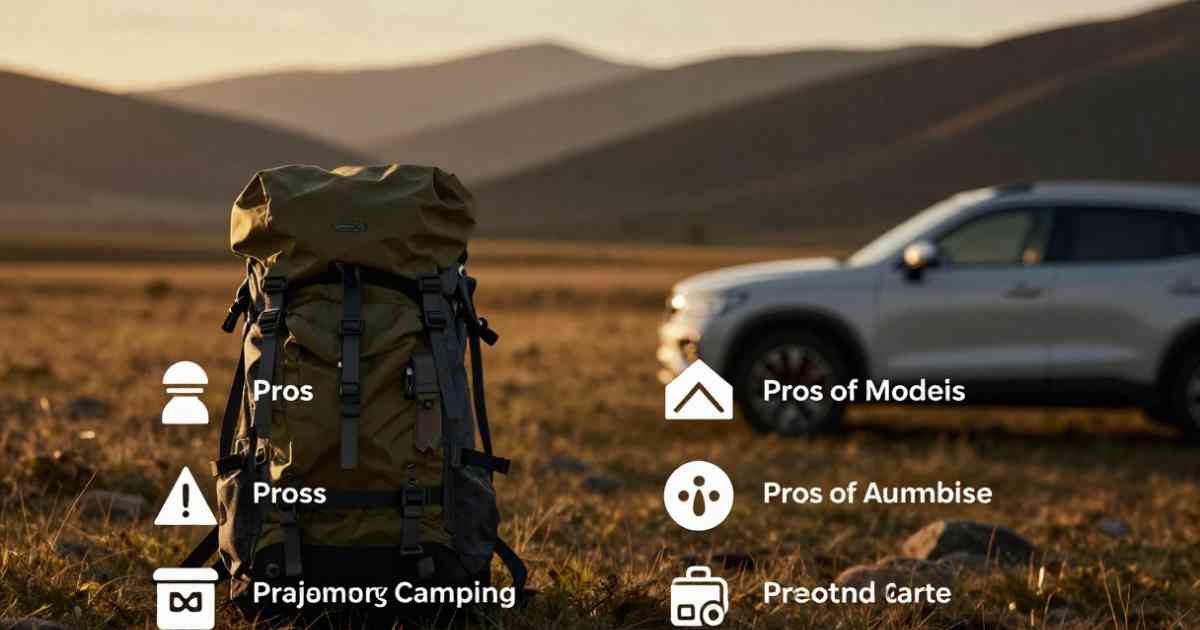
Gear And Packing
Packing gear differs greatly between backpacking and car camping. Each style demands a unique approach to what you carry and how you carry it.
Backpackers must keep gear light and compact. Every ounce counts because you carry everything on your back. In contrast, car campers can bring heavier, bulkier items. The car acts as a storage space, allowing more comfort-focused gear.
Backpacking Gear Essentials
Backpacking gear focuses on weight and size. Ultralight tents, compact sleeping bags, and minimal cookware are common. Clothes should be versatile and quick-drying. Each item serves multiple purposes to save space. Carrying heavy or bulky gear makes hiking tiring and slow.
Car Camping Gear Options
Car camping gear offers more freedom in size and weight. Larger tents with multiple rooms are possible. Camp chairs, coolers, and full cooking sets improve comfort. Extra clothes and pillows make the stay cozy. There is less pressure to limit gear strictly.
Packing Strategies For Backpacking
Packing for backpacking requires careful planning. Items are organized by weight and necessity. Essentials like water, food, and shelter go in easy-to-reach pockets. Balance is important to avoid strain. Roll clothes to save space. Use compression sacks to reduce bulk.
Packing Strategies For Car Camping
Car camping allows for relaxed packing. Gear can be loaded without strict order. Use bins or bags to keep things tidy. Keep frequently used items near the car door. No need to worry about weight distribution. It is easier to bring extras for comfort.
Comfort And Convenience
Comfort and convenience play a big role in choosing between backpacking and car camping. Each style offers a different experience based on how you manage your gear and set up camp. Understanding these differences helps you pick the best option for your trip.
Comfort In Backpacking
Backpacking means carrying all your gear on your back. You must pack light to avoid heavy loads. This limits the size and weight of your sleeping bag, tent, and other items. The gear is usually compact and designed for easy transport.
You may sacrifice some comfort for portability. Sleeping pads and tents are smaller and thinner. It can be harder to stay warm and cozy. You rely on your gear’s efficiency and your ability to adapt.
Comfort In Car Camping
Car camping allows you to bring more and bigger gear. You can carry heavy coolers, large tents, and thick sleeping pads. This lets you create a more comfortable campsite.
You can bring chairs, tables, and extra clothes. Your sleeping area can be spacious and well-padded. This style suits people who want to relax fully after a day outdoors.
Convenience Of Backpacking
Backpacking offers freedom to explore remote places. You are not tied to a car or road. Setting up camp takes less time with simple gear. You only carry what you truly need.
It requires planning and skill to pack efficiently. You must know how to use lightweight gear properly. Resupply options may be limited on long trips.
Convenience Of Car Camping
Car camping is easy to start and set up. You park close to your tent and gear. There is no need to carry heavy loads far.
This convenience lets you bring food, water, and tools without worry. You can quickly access your car for extra items. This style works well for families and casual campers.
Physical Demands
Backpacking demands carrying all gear on your back, which can be tiring over long distances. Car camping lets you bring heavier, bulkier items with less physical strain. Both have different activity levels affecting endurance and comfort.
Physical Demands Of Backpacking
Backpacking requires carrying all your gear on your back. This makes it physically challenging. You hike for miles over rough terrain. Your body must be strong and fit.
Packing light is important. Heavy backpacks can cause fatigue and pain. You need good endurance and balance. Walking uphill with weight tests your muscles and joints.
Rest breaks are limited. You often camp where vehicles cannot reach. This means you must manage your energy well. Physical stamina is key for a safe trip.
Physical Demands Of Car Camping
Car camping lets you drive close to your campsite. You carry gear a short distance. This reduces physical strain significantly.
You can bring heavier, bulkier items. There is no need to carry everything on your back. This makes car camping easier for all ages and fitness levels.
Walking is usually short and on flat ground. You don’t need high endurance. Car camping suits those who want comfort with less effort.
Cost And Budget
Cost plays a key role when choosing between backpacking and car camping. Budget limits often shape the camping style. Understanding the expenses helps plan better and avoid surprises.
Both options require gear, but costs vary widely. Backpacking gear tends to be lightweight and specialized. Car camping gear can be bulkier and less costly. Knowing these differences aids in setting a realistic budget.
Backpacking Expenses
Backpacking needs compact, durable, and lightweight equipment. These items often cost more due to advanced materials. A good backpack, tent, and sleeping bag can add up quickly. Food for backpacking must be lightweight and high-calorie, which can be pricier. Transportation costs are usually lower since you carry your gear on foot.
Car Camping Expenses
Car camping allows bringing larger, less expensive gear. Bigger tents, chairs, and coolers improve comfort at a low price. You can carry more food and cooking tools, reducing meal costs. Gas and parking fees add to the budget but vary by location. Overall, car camping can be cheaper for families or groups.
Budget Tips For Backpacking
Buy used or borrow gear to reduce backpacking costs. Focus on essentials before extras. Choose lighter, multi-use items to save money and weight. Plan simple meals with affordable ingredients. Limit the number of nights to control spending.
Budget Tips For Car Camping
Look for sales on larger tents and camp furniture. Use local stores to refill supplies cheaply. Share equipment costs with friends or family. Bring homemade meals to cut food expenses. Pick campsites with low or no fees.
Campsite Experience
The campsite experience shapes every camping trip’s memories. It defines comfort, freedom, and connection to nature. Backpacking and car camping offer very different campsite vibes and setups.
Each style affects how you interact with your environment and how much you carry. The setting, noise level, and available space all change based on your camping method.
Backpacking Campsite Experience
Backpacking campsites often lie deep in nature, far from roads. These spots tend to be quieter with fewer people around. You find peace in the wild, surrounded by trees and wildlife sounds.
Space is limited to what you can carry. You set up small tents and keep gear lightweight. This creates a simple, minimal experience with few distractions.
Because you carry everything, you must plan carefully. This makes you feel connected and self-reliant. The challenge of reaching a remote spot adds to the adventure.
Car Camping Campsite Experience
Car camping sites are usually near parking areas and roads. They provide easy access and more space for tents and gear. Campers can bring larger tents, chairs, and extra equipment.
These sites often have amenities like picnic tables, fire pits, and toilets. They create a comfortable and social atmosphere. Families and groups enjoy the convenience and room to relax.
Car camping allows for more flexibility in what you bring. This makes the experience less physically demanding. Campers can focus more on fun and comfort than on carrying gear.
Comparing Noise And Privacy
Backpacking campsites offer quiet and privacy. Few visitors mean less noise and more solitude. It feels like you are alone in nature.
Car camping sites can be noisy and busy. Nearby campers and roads increase sound levels. Privacy is lower, but social chances grow.
Choosing between peace or community depends on your trip goals. Each style suits different moods and preferences.
Impact On Nature
Backpacking limits impact by concentrating on small, less-used areas. Campers must follow strict rules to protect nature. Carrying out all waste keeps sites clean.
Car camping sites handle more visitors and require maintenance. Campers should respect rules to avoid damage. The easier access can lead to more wear and tear.
Both styles need care to preserve nature for future visits. Responsible camping keeps the outdoors beautiful.
Safety And Preparedness
Safety and preparedness are key factors in both backpacking and car camping. Knowing how to stay safe and ready for unexpected events helps make any trip more enjoyable. Each style has unique challenges and needs for being prepared. Understanding these differences ensures a smoother experience.
Backpacking Safety Essentials
Backpacking demands careful planning for safety. Carrying all supplies means space and weight limits. Pack only what is necessary to avoid exhaustion. Navigation skills are crucial to prevent getting lost. Always tell someone your route and expected return time. Carry a first aid kit suited for remote areas.
Car Camping Safety Measures
Car camping allows for more gear and comfort. Vehicles provide shelter and easy access to extra supplies. It is easier to bring larger first aid kits and tools. Campsites often have facilities and emergency services nearby. Still, stay aware of wildlife and weather changes. Secure food to avoid attracting animals.
Preparedness For Emergencies In Backpacking
Backpackers face higher risks due to isolation. Carry a map, compass, or GPS device for direction. Pack emergency shelter and extra food in case of delays. Learn basic survival skills like fire-making and water purification. Check weather forecasts before departure. Always plan for the worst and hope for the best.
Preparedness For Emergencies In Car Camping
Car campers can store more emergency gear. Keep spare tires, tools, and jumper cables in the vehicle. Bring extra blankets and warm clothing for cold nights. Have a charged phone and portable charger for communication. Know the location of the nearest medical facility. Plan escape routes if weather or wildlife pose threats.
Frequently Asked Questions Of Backpacking Vs. Car Camping: Pros And Cons
What Is The 20% Rule For Backpacking?
The 20% rule for backpacking means your pack should weigh no more than 20% of your body weight. This helps reduce fatigue and improves comfort during hikes.
Is A Car Camping Tent Better Than A Backpacking Tent?
Car camping tents offer more space and durability for comfort. Backpacking tents prioritize lightweight design and easy carrying. Choose based on your trip style and gear needs.
What Is The 200 Rule For Camping?
The 200 rule for camping means camping at least 200 feet away from water sources. This protects wildlife and prevents water contamination. It helps preserve nature and ensures a cleaner campsite. Always follow this rule to minimize environmental impact while camping.
What Are The Disadvantages Of Backpacking?
Backpacking can cause fatigue due to heavy loads and long hikes. It limits comfort with basic accommodations and less personal space. Travelers may face money constraints and miss home comforts. Social goodbyes can be tough. Safety risks and theft attempts may occur during extended journeys.
Conclusion
Choosing between backpacking and car camping depends on your adventure style. Backpacking offers freedom and closeness to nature but demands more effort and light gear. Car camping provides comfort, space, and ease, yet limits how far you can explore. Both have unique benefits and challenges.
Consider your fitness, gear, and what experience you want. Whatever you pick, the outdoors promises fun and memories. Enjoy the journey and stay safe on your next camping trip!


