Choosing the Right Campsite: Tips for First-Time Campers
Key Takeaways
- Choose a campsite that matches your experience level and trip goals
- Check access to water, restrooms, and essential facilities
- Avoid low-lying areas to stay safe from flooding
- Look for natural shade and wind protection for comfort
- Follow campground rules and Leave No Trace principles
- Consider proximity to trails, firewood, and emergency access
Planning your first camping trip? Choosing the right campsite can make all the difference between a fun adventure and a frustrating experience.
You want a spot that feels safe, comfortable, and suits your needs without adding unnecessary stress. But how do you pick the perfect place when everything feels new and overwhelming? This guide will walk you through simple, practical tips to help you find a campsite that sets you up for success.
Keep reading, and you’ll soon feel confident about where to pitch your tent and enjoy your time outdoors.
Picking A Location
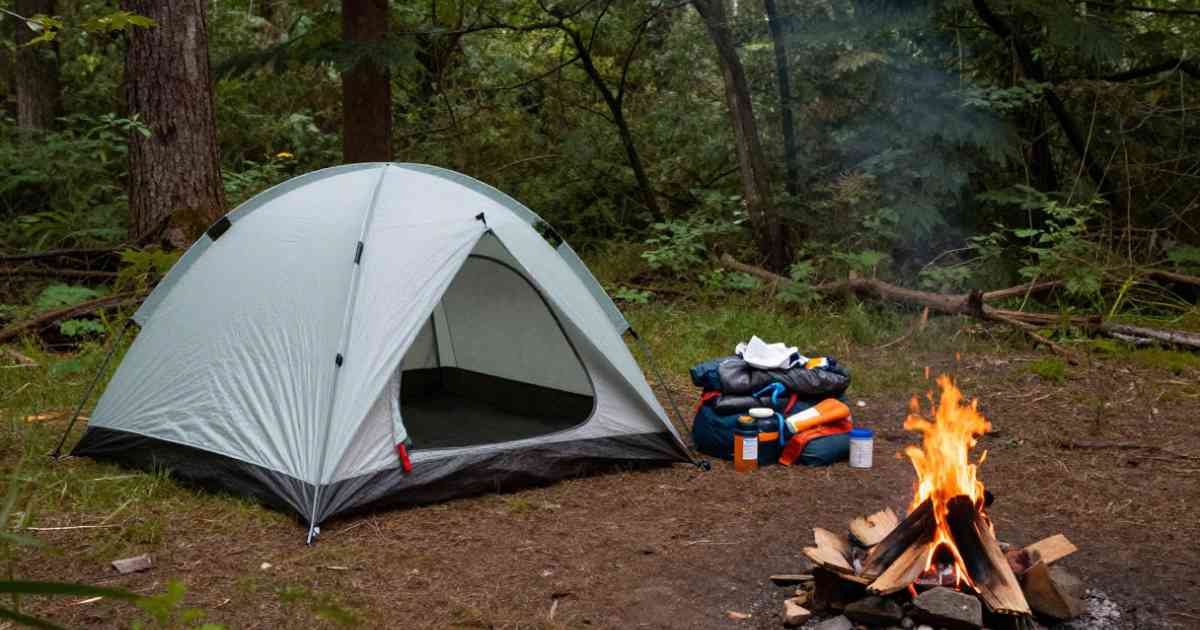
Choosing the right location for your campsite sets the tone for your entire trip. A good spot offers comfort, safety, and easy access to nature. Picking the perfect place can make your first camping experience enjoyable and stress-free.
Consider Proximity To Amenities
Select a campsite near restrooms and water sources. Basic facilities help keep things simple for new campers. Being close to amenities reduces the hassle during your stay.
Check For Level Ground
Find flat and even terrain for your tent. Level ground ensures a comfortable sleep and stable tent setup. Avoid slopes or rocky areas that can cause discomfort or damage your gear.
Look For Natural Shelter
Choose a spot with trees or bushes for wind protection. Natural shelter can block strong winds and provide shade. It also adds a cozy, peaceful feel to your campsite.
Avoid Low-lying Areas
Stay away from spots that collect water after rain. Low areas can become muddy and flood your tent. Pick higher ground to stay dry and comfortable.
Consider Privacy And Noise
Find a quiet spot away from busy trails or roads. Privacy helps you relax and enjoy nature fully. A calm location makes your camping trip more peaceful and fun.
Checking Amenities
Checking amenities at a campsite is essential for a smooth camping experience. Amenities affect comfort, safety, and convenience. Knowing what is available helps you pack smarter and plan better. Some campsites offer basic facilities, while others provide more comfort. First-time campers should focus on key amenities that fit their needs.
Restrooms And Showers
Clean restrooms make camping more comfortable. Showers add extra convenience after a long day outdoors. Check if the campsite has flush toilets or basic pit toilets. Some locations provide hot water, while others only have cold. Knowing this helps you prepare for hygiene needs.
Water Supply
Access to clean water is vital. Many campsites have water taps for drinking and cooking. Confirm whether the water is safe to drink or if you need to bring your own supply. Some spots only have water for washing, not for drinking. This detail is important for your health.
Electricity And Lighting
Electricity is not always available at campsites. Some sites offer electrical hookups for charging devices or using small appliances. Lighting around the campsite can improve safety at night. Check if the area has street lamps or if you need your own light sources.
Trash And Recycling Facilities
Proper waste disposal keeps the campsite clean and protects nature. Look for trash bins and recycling stations nearby. Some campgrounds require you to pack out all your trash. Knowing the rules helps you follow campground guidelines and reduces your environmental impact.
Picnic Tables And Fire Rings
Picnic tables provide a place to eat and organize gear. Fire rings or pits allow safe campfires. Confirm if the site has these amenities to plan your meals and campfire activities. Some areas may have fire restrictions, so check local rules.
Evaluating Terrain
Choosing the right terrain is a key step for first-time campers. It affects comfort, safety, and the overall camping experience. A good terrain ensures your tent stays stable and dry. It also helps avoid injuries and makes setting up easier.
Check For Flat And Level Ground
Select flat terrain to keep your tent steady. Uneven ground can cause discomfort and make sleeping difficult. Level areas prevent water from pooling near your tent during rain. Avoid slopes or rocky spots that can disturb your rest.
Avoid Low-lying Areas
Stay away from valleys or dips where water can collect. These spots can flood quickly after rain. Wet ground leads to soggy gear and an uncomfortable campsite. High ground helps keep you dry and safe.
Look For Firm Soil
Firm soil holds tent stakes well. Soft or sandy soil may not secure your tent properly. Test the ground by pressing a stick into it. If it’s easy to push in, find firmer soil nearby.
Consider Natural Shelter
Trees and bushes can protect you from wind and sun. Choose terrain with some natural cover but avoid areas with dead branches overhead. They may fall and cause injury. Open spaces offer good air flow but less protection.
Considering Safety
Choosing a safe campsite is key for a good camping trip. Safety helps you feel calm and enjoy nature without worry. First-time campers should keep safety in mind while picking their spot.
Location And Terrain
Pick a campsite on flat, solid ground. Avoid low areas where water can collect after rain. Check for nearby hazards like steep cliffs or dead trees. These can fall and cause injury. A safe terrain protects you from accidents and flooding.
Wildlife Awareness
Know the animals in the area before camping. Avoid spots near animal trails or dens. Store food in secure containers to keep animals away. Respect wildlife and keep a safe distance. This reduces chances of dangerous encounters.
Access To Help And Facilities
Choose a campsite near the park office or ranger station. This means quick help if needed. Check if the site has emergency phones or first aid kits. Also, find out about fire safety rules and water sources. Being close to help is smart for all campers.
Weather Conditions
Check the weather forecast before setting up camp. Avoid places prone to strong winds or floods. Set up tents facing away from the wind. Use sturdy stakes and secure your gear. Being prepared for weather keeps you safe and dry.
Planning For Weather
Planning for weather is key when selecting your first campsite. Weather affects comfort, safety, and your overall experience. Preparing for different conditions helps avoid surprises. Checking forecasts and understanding local climate improves your camping trip.
Check The Weather Forecast Before You Go
Always check the weather forecast for your camping dates. Use reliable sources like weather websites or apps. Note temperature, rain, wind, and humidity. This helps you pack the right clothes and gear. Update your forecast regularly before departure.
Choose Campsites With Good Drainage
Select a spot that does not collect water during rain. Avoid low areas where puddles form. Look for higher ground with natural slopes. Good drainage keeps your tent dry and comfortable. Wet ground can cause cold and damage your gear.
Prepare For Temperature Changes
Temperatures can change quickly, especially at night. Bring layered clothing to adapt easily. A warm sleeping bag suits cooler nights. Lightweight clothes work well for warm days. Be ready for both hot sun and cold winds.
Consider Wind Protection
Strong winds can make camping difficult. Find campsites near trees or natural barriers. These reduce wind impact on your tent. Secure your tent with stakes and guy lines. This prevents damage and keeps you safe.
Plan For Rain And Moisture
Rain can happen anytime, even if the forecast is clear. Pack waterproof gear like rain jackets and covers. Bring a tarp to protect your tent and cooking area. Keep your clothes and sleeping bag dry to stay warm.
Setting Up Comfortably
Setting up comfortably at your campsite makes your trip more enjoyable and restful. A good setup helps you relax after a day of outdoor activities. It also protects you from weather and insects. Creating a cozy space is easy with some simple steps and the right gear.
Choosing Level Ground For Your Tent
Pick a flat area to pitch your tent. Uneven ground can cause discomfort while sleeping. Look for spots free of rocks, sticks, and roots. Clear the space before setting up your tent to avoid damage.
Positioning Your Tent Correctly
Face your tent door away from the wind. This reduces noise and keeps cold air out. Place your tent near natural windbreaks like bushes or trees. Avoid low areas where water can collect during rain.
Using Comfortable Sleeping Gear
Bring a sleeping pad or air mattress to cushion the hard ground. Use a sleeping bag suited for the weather conditions. Add a pillow or stuff a jacket in a bag for extra neck support.
Organizing Your Campsite Efficiently
Keep your cooking and sleeping areas separate. Store food in sealed containers to keep animals away. Use a small table or a clean tarp to keep gear off the ground. This helps maintain cleanliness and ease of use.
Frequently Asked Questions Of Choosing the Right Campsite: Tips for First-Time Campers
What Should First-time Campers Look For In A Campsite?
Choose level ground, access to water, shade, and privacy for comfort and safety.
How Can I Pick A Safe Campsite For Beginners?
Avoid low areas prone to flooding and stay away from animal trails.
Why Is Location Important When Choosing A Campsite?
A good location offers easy access, quiet surroundings, and protection from weather.
What Basic Amenities Help First-time Campers Enjoy Camping More?
Restrooms, clean water, and fire pits make camping easier and more comfortable.
Conclusion
Choosing the right campsite makes your first trip more fun and safe. Pick a spot with flat ground and good drainage. Find a place near water and restrooms for convenience. Avoid areas too close to noisy spots or busy paths.
Arrive early to set up easily and enjoy daylight. Remember, a well-chosen campsite helps you relax and connect with nature. Keep these simple tips in mind for a great camping experience. Happy camping!


