Basic Campfire Cooking: Techniques And Recipes
Key Takeaways
- Use direct and indirect heat for different cooking techniques
- Start with simple tools like a grill grate, skewers, and cast-iron pan
- Control fire temperature by adjusting wood and coal placement
- Always prep ingredients before lighting the fire
- Try easy recipes like foil-pack meals, grilled kebabs, and campfire pancakes
- Follow campfire food safety and proper cleanup practices
With just a few basic techniques and simple recipes, you can turn your campfire into a kitchen that serves up delicious, comforting food. Whether you’re new to campfire cooking or want to sharpen your skills, this guide will show you how to make the most of your fire and create tasty meals that everyone will love.
Ready to impress your friends and family with mouthwatering campfire dishes? Let’s dive into the essentials of basic campfire cooking.
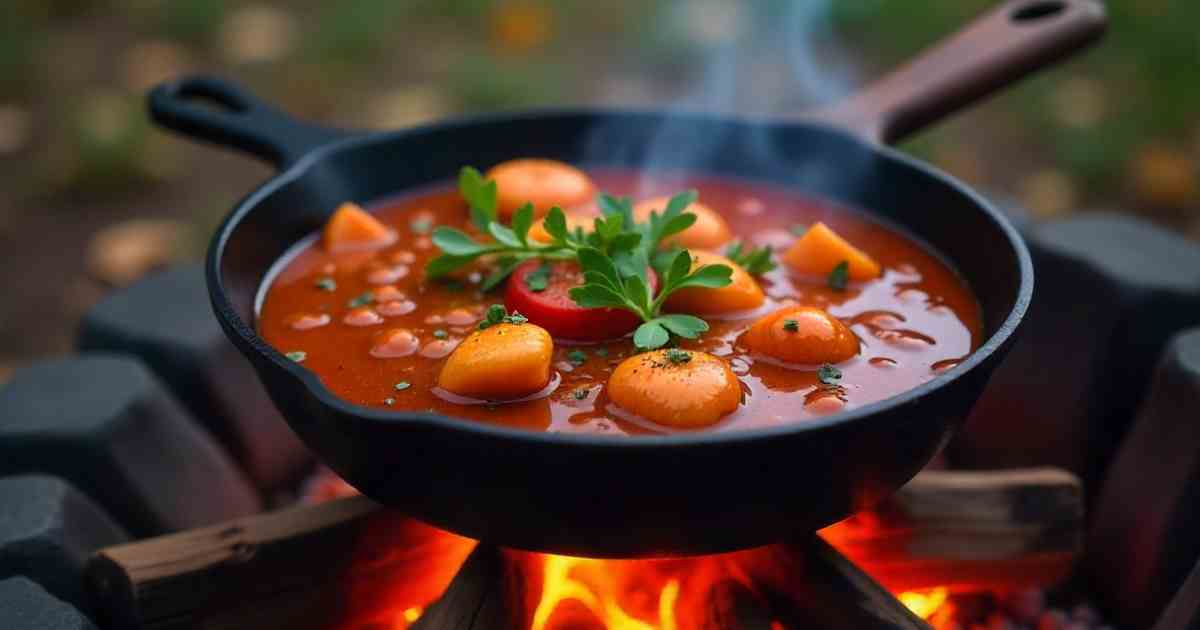
Campfire Setup
Setting up your campfire correctly is key to cooking delicious meals outdoors. A well-built fire gives steady heat, making cooking easier and safer. Proper preparation also helps protect the environment and keeps everyone safe around the fire. Below are important tips for preparing your campfire before you start cooking.
Choosing The Right Firewood
Pick dry, seasoned wood for your campfire. Wet or green wood creates smoke and weak heat. Hardwoods like oak, maple, and hickory burn longer and hotter. Avoid softwoods such as pine, which burn quickly and pop. Collect wood from fallen branches rather than cutting live trees.
Building A Safe Fire
Clear the area of leaves and debris before lighting the fire. Build your fire in a fire ring or a cleared spot. Arrange small sticks in a teepee or log cabin style for easy lighting. Keep water or sand nearby to put out the fire if needed. Never leave the fire unattended.
Maintaining Fire Heat
Add wood gradually to keep a steady flame. Too much wood at once causes smoke and uneven heat. Use larger logs once the fire is strong to maintain long-lasting heat. Arrange coals evenly to create a good cooking surface. Stir the fire occasionally to keep air flowing.
Essential Cooking Gear
Essential cooking gear makes campfire cooking easier and more enjoyable. Having the right tools helps you prepare tasty meals outdoors. It also keeps cooking safe and clean. Choose gear that is durable and easy to use. Lightweight items are best for carrying on hikes or camping trips. Here are some must-have tools for campfire cooking.
Cast Iron And Dutch Ovens
Cast iron pans and Dutch ovens are perfect for campfire cooking. They hold heat evenly and last a long time. You can fry, bake, or stew food with them. Dutch ovens have a lid that traps heat and smoke. This helps food cook slowly and stay moist. Clean and season cast iron well to stop rust. Use hot pads to handle these heavy, hot pans safely.
Skewers And Sticks
Skewers and sticks are simple but useful campfire tools. Use them to roast marshmallows, hot dogs, or veggies. Metal skewers are reusable and easy to clean. Wooden sticks should be fresh and strong to avoid breaking. Always hold skewers over the fire at a safe distance. Turn food often for even cooking and to prevent burning.
Pie Irons And Grates
Pie irons are small cast iron presses that cook sandwiches and snacks over the fire. They seal food inside and create a crispy crust. Grates are metal racks placed over coals to hold pots or pans. They give stable cooking surfaces and allow even heat flow. Both tools help expand your campfire menu with little fuss. Clean them after use to keep them ready for next time.
Basic Cooking Techniques
Campfire cooking offers simple yet effective ways to prepare meals outdoors. Understanding basic cooking techniques helps create delicious food over an open fire. These methods use the fire’s heat in different ways to suit various dishes. Learning these techniques makes camp cooking enjoyable and tasty.
Direct Flame Cooking
Direct flame cooking means placing food directly over the fire. This method cooks food fast and gives a smoky flavor. Use a grill grate or skewers to hold food above the flames. Ideal for meats, vegetables, and marshmallows. Watch food carefully to avoid burning. Turn food often for even cooking.
Cooking With Coals
Cooking with coals uses the glowing embers of a fire instead of flames. Coals provide steady, even heat for longer cooking times. Spread coals under or around food for roasting or baking. Use cast iron pans or foil packets to hold food. This technique suits thicker cuts of meat and root vegetables well.
Boiling And Simmering
Boiling and simmering require heating water over the fire. Use a pot or kettle placed on a grill or tripod. Boiling cooks food quickly, great for pasta or soups. Simmering cooks food gently at lower heat. Perfect for stews and delicate dishes. Keep water covered to save heat and cook faster.
Easy Campfire Recipes
Easy campfire recipes make outdoor cooking fun and simple. These meals require few ingredients and little prep. Perfect for beginners and busy campers alike. They bring warmth and flavor to every camping trip. Try these tasty options to enjoy your campfire cooking experience.
One-pot Meals
One-pot meals save time and cleanup at the campsite. Use a cast iron pot or Dutch oven over the fire. Stews, chili, and pasta dishes cook well in one pot. Combine vegetables, protein, and spices for a hearty meal. Stir occasionally to prevent burning. One-pot meals keep your campfire cooking easy and delicious.
Grilled Kebabs
Grilled kebabs are quick and customizable for any taste. Skewer chunks of meat, vegetables, or even fruit. Brush with marinade or oil for extra flavor. Hold kebabs over the fire or use a grill grate. Turn often until cooked evenly. Kebabs offer a fun way to enjoy grilled food outdoors.
Campfire Desserts
Campfire desserts add a sweet ending to your meal. Wrap fruit and marshmallows in foil and heat near hot coals. Try baked apples with cinnamon or grilled bananas with chocolate. S’mores remain a classic treat for all ages. Simple ingredients make dessert easy and satisfying by the fire.
Safety Tips
Safety is the top priority when cooking over a campfire. Fire and hot tools can cause serious injuries. Following simple safety tips helps protect you and others around the campfire. These tips also ensure your food stays clean and safe to eat. Below are key safety points to keep in mind.
Handling Hot Equipment
Always use heat-resistant gloves when touching pots or pans. Tools like tongs and spatulas help keep your hands away from flames. Place hot equipment on stable surfaces to avoid spills. Warn others nearby when moving hot items. Cool down utensils before cleaning or packing them away.
Fire Control Measures
Keep a bucket of water or sand near your fire. This helps put out flames quickly if needed. Build your fire in a cleared area, away from trees and tents. Do not leave the fire unattended at any time. Extinguish the fire completely before sleeping or leaving the site. Stir ashes to ensure no embers remain hot.
Food Hygiene Outdoors
Wash hands with soap and water before handling food. Use clean utensils and plates to avoid contamination. Store raw and cooked foods separately to prevent cross-contamination. Cook food thoroughly to kill harmful bacteria. Keep leftovers in sealed containers away from insects and animals. Dispose of food waste properly to maintain a clean site.
Troubleshooting Common Issues
Campfire cooking offers a unique and rewarding experience. Yet, beginners often face common problems. These issues can disrupt cooking and meal enjoyment. Knowing how to fix them makes the process smoother. This section helps solve frequent campfire cooking troubles.
Fire Won’t Stay Lit
Dry wood is essential for a steady fire. Wet wood creates smoke and dampens flames. Use small twigs and kindling to start the fire. Arrange wood loosely to allow air flow. Shield the fire from wind using rocks or logs. Blow gently at the base to feed oxygen. Avoid smothering the fire with too much wood at once.
Uneven Cooking
Heat is not the same across the fire. Some spots burn hotter than others. Move food around regularly to cook evenly. Use a grill or grate to balance heat better. Adjust the height above flames to control cooking speed. Thicker food needs lower heat and more time. Thin items cook faster and need close attention.
Dealing With Smoke
Smoke can irritate eyes and spoil food flavor. Position yourself upwind to avoid smoke. Use dry, seasoned wood to reduce smoke output. Avoid green or resinous wood which creates heavy smoke. Control the fire size; smaller flames produce less smoke. Keep firewood stacked nearby to add dry wood quickly.
Frequently Asked Questions Of Basic Campfire Cooking: Techniques And Recipes
What Basic Equipment Do I Need For Campfire Cooking?
Essential gear includes a grill grate, cast iron skillet, tongs, and heat-resistant gloves.
How Do I Control Heat While Cooking Over A Campfire?
Adjust cooking distance, move coals around, and use a grate to manage fire heat.
Which Simple Recipes Work Best For Campfire Beginners?
Try foil packet meals, grilled hot dogs, or toasted marshmallows for easy cooking.
How Can I Keep Food Safe When Cooking Outdoors?
Cook food thoroughly, keep raw and cooked items separate, and store perishables in coolers.
Conclusion
Campfire cooking brings simple joys to outdoor meals. Using basic techniques makes cooking easier and fun. Try easy recipes that suit your taste and tools. Practice helps improve your skills over time. Enjoy sharing warm food and stories by the fire.
Cooking outdoors connects you with nature and friends. Remember, safety first—keep your fire controlled and clean. Now, gather your ingredients and start cooking under the stars.


